Showing posts with label Teens. Show all posts

How to Get a Smaller Waist Fast for Teens

According to the Centers for Disease Control and Prevention, it's unhealthy to lose more than 1 to 2 pounds per week for both teenagers and adults. In teenagers, rapid weight loss can be attributed to stunted growth and poor development. However, with a balanced diet and regular exercise, teens can easily attain the goal of having a smaller waist, while promoting their overall health, safety and well-being.


Step 1

How to Get a Smaller Waist Fast for Teens

Stay physically active in order to begin losing weight and start building muscle. Gaining more muscle will help burn more calories from fat. A cardiovascular workout that includes activities such as running, brisk walking, swimming and jumping rope is ideal. To help gain muscle, strength training that includes situps, pushups, resistance bands and Pilates is recommended by The Nemours Association. An effective way to see rapid results is to work out for six days per week, roughly 30 minutes a day.

Step 2

How to Get a Smaller Waist Fast for Teens

Limit the intake of sodas and fruit juices, which typically contain large amounts of sugar and unneeded calories. Drink water instead when possible. A switch from whole milk to nonfat milk can also make a difference in weight loss. Also avoid “starchy” carbs, such as bagels, white breads and potatoes. Small changes make a big difference in weight loss.


Step 3

How to Get a Smaller Waist Fast for Teens

Choose foods from the four basic food groups, and eliminate unnatural foods such as chicken nuggets, cheese puffs, fruit roll-ups and other processed foods. Eat healthy fats and protein with each meal or snack, like nut butters, avocados and whole grains. Choose vegetables and fruits in a wide variety of colors. Remember to include dairy as well, with low-fat cheeses and yogurts.

    Step 4

    How to Get a Smaller Waist Fast for Teens

    Plan exercise and meals ahead of time with a journal. Write down the amount of time spent watching TV and other sedentary activities, as well as periods of physical activity and caloric intake. When everything is on paper, it becomes much easier to see what areas need to be worked on, as well as tracking progress made.


    Ways for Teens to Get Flat Abs

    Forget the workout DVDs you rented, the personal trainer you hired, the brand new ab machine you bought and the guy in the ab-roller commercials. Once you start eating and exercising right, flattening your abdomen will be no problem. The problem most people face while trying to get that six-pack is that the exercises they perform don’t focus on all the muscles in the abdomen. You need to do exercises that work each part of your abdomen, fit in some cardiovascular training and eat well.

    Eat Right

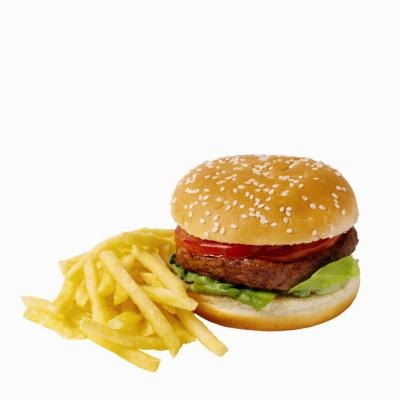
    First things first—avoid fast food. While the occasional trip to Subway is OK, burgers and fries are big no-no’s. Try to eliminate red meat entirely and replace it with sources of lean protein. Lean protein helps speed up your metabolism and helps you lose weight; chicken and fish are great sources. Eat lean proteins with every meal, but limit sushi and other fish to once a week to reduce your mercury intake. Next, don't skip breakfast. When you do, you probably tend to overeat by the time afternoon rolls around because you’re so hungry. You also want to make sure you get plenty of fruits, vegetables, fiber, whole grains and good carbohydrates mixed in, and drink at least eight glasses of water a day.


    Avoid fast food.

    Exercising the Middle and Upper Abdomen

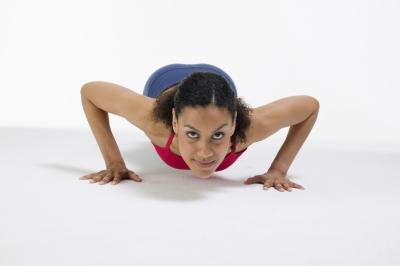
    When most people start doing crunches or using ab machines, they're usually working the middle and upper abdomen. A core exercise for these areas is the abdominal butt raise. Get into a push-up position. Instead of using your hands for support, use your elbows and forearms. Hold this position for 30 seconds, then take a one-minute break. Repeat the process three to four times, and increase the time you hold the position over time. Once you've mastered this, get into the same position, lift your butt in the air, putting pressure on your abs, and then return to the starting position. Begin by doing three reps of 10 and increase the number of sets as you become stronger.


    Push-ups.


    Exercising the Lower Abdomen

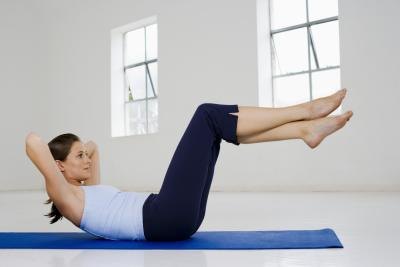
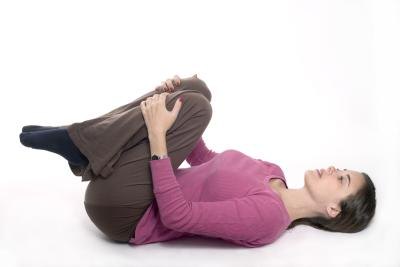
    The lower abdomen is probably the hardest part to work, because traditional ab exercises don't target those muscles. Use a series of exercises called abdominal flutter kicks to firm this area. Lay on your back with your legs fully extended in front of you and your arms by your sides. Lift your feet 6 inches off the ground and hold that position for 30 seconds, then rest for a minute. Repeat this three to four times a day and increase the time you hold the pose as you become stronger. After you've mastered that, try this exercise. In the same position, lift your feet 6 inches off the ground—this is the starting position. Slowly lift your legs up as high as you can and hold them there for one second, then return to your starting position. Do three sets of five and increase reps as you get more comfortable. Now you're ready for actual scissor kicks. Get in the starting position-—feet 6 inches off the ground—and begin to perform small, rapid, back-and-forth scissor kicks with your legs. Use your midsection, or core, to control your movements. Do this for 15 seconds and increase the time as you get more comfortable.


    Exercise on back.

    Exercising the Obliques
    Your obliques make up the side muscles of your abdomen and are often the most forgotten part when people are working on a six-pack. Do finger-to-heel oblique touches to target these areas. Lay down on the floor in the position of a crunch, but keep your arms by your sides. Move one of your hands to touch your heel on the same side. Come back to the starting position and repeat on the other side. Make sure your back stays flat on the ground and that you mimic the motion of a crunch—except sideways.


    Crunches.

    Cardio Exercises

    The best cardiovascular exercises to flatten your abs involve interval training. This is advanced cardio exercise, so you might have to work your way up to this level. Interval exercising consists of alternating between running at full speed and jogging or walking. Start by loosening up by walking or jogging for five minutes. To perform the interval training, start jogging at a steady pace for about a minute. Then you’ll sprint for about 30 seconds, then go back to jogging for a minute before you sprint for another 30 seconds. If you can’t sprint for 30 seconds, try 10 seconds and work your way up. And if you don’t have the energy to jog, walk for a minute until you work up to jogging. Do this for about 20 to 45 minutes a day, and you’ll see your abdominal fat simply melt away.


    Jogging.

    What Are the Causes of Crash Dieting in Teens?


    Between tattoos, piercings, dramatic haircuts, and bipolar shifts in wardrobe, teens subject themselves to drastic superficial changes perhaps more so than any other demographic. The teen years are a time of self-discovery and of forming your own identity, establishing independence from your parents and from society and toying with rebellion. Despite their attempts to be different, reports reflect a high level of teens engaging in a similar behavior: dieting. There are several factors that contribute to a teen's choice to diet.

    The Media


    • An enormous influence in a teen's desire to diet is the media, which tells young women that they should value thinness over all other qualities. As long as they achieve thinness, the media alleges, young women will have power, popularity and male attention. Likewise, the message it delivers to young men is that as long as they achieve stunning musculature and masculine features, success, money and women will naturally follow. Teens, because of their biological propensity for impulsiveness, are most susceptible to buying into these myths.

    Athletics


    • Different sports can have weight requirements for students wishing to make a team. Wrestlers, for instance, are weighed frequently to determine which weight class they fall into. A student not making certain weight requirements is in danger of not making the team. Even sports that do not require regular weigh-ins still might put particular emphasis on an athlete's body size and shape. Dancers, runners, gymnasts and cheerleaders are athletes whose performance is at least partially dependent upon achieving a specific ideal weight.

    Body Consciousness and Budding Sexuality


    • The teen years are a time when puberty is in full swing and hormones are raging. It is the time when teens begin to explore feelings of sexual attraction to others. It naturally follows that they will want to make themselves physically and sexually attractive to others. In the hopes of achieving sexual intimacy with potential partners, teens will attempt to alter, often drastically, their physical appearance. This includes, but is not limited to, dieting to achieve a certain standard of weight that is deemed appropriate by their peers and the media.

    Eating Disordered Culture


    • Most adults with eating disorders first started experiencing symptoms of disordered eating while in their teens. One of the major components in disordered eating behavior is severe calorie restriction through extreme dieting. Because the very nature of diets is that they are short-term, these diets ultimately fail, with the person usually succumbing to temptations and crashing. Anorectics, in particular, will subject themselves to harsh calorie restrictions and self-starvation. Anorexia nervosa, like other eating disorders, is not just a vain attempt to achieve a body weight but a mental illness that manifests as extreme fear of weight gain.