Protein only diet plans usually involve removing as many carbohydrates from the diet as possible. Carbohydrates provide energy for the body, but when they are not used, they are stored as fat. The idea behind high protein, low carbohydrate diets is that if carbohydrates are eliminated, the body will use fat stores for energy and you will lose weight. According to Atkins Diet website, the body produces ketones and begins to burn fat stores when carbohydrates remain at less than 20 g per day. A protein only diet plan requires you to eliminate carbohydrates for maximum weight loss.
Non-Diet Foods
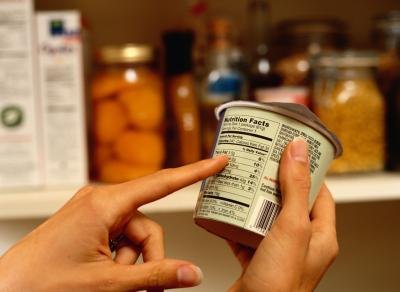
High protein diet plans such as the Atkins Diet require that you eliminate all processed foods that contain sugar or carbohydrates. In addition, you cannot eat bread, potatoes or pasta. Do not drink soda, juice or other high carbohydrate drinks. Check all packages for carbohydrate content. All foods consumed on a protein only diet plan should preferably contain 1g of carbohydrate or less.

Diet Foods
Foods you can eat on a high protein diet plan include unlimited amounts of eggs and fresh meat. Cheese and dairy can be consumed in limited amounts. 3 oz of cheese usually contains just a few grams of carbohydrates. Regular coffee creamer has about 3 g of carbohydrate per serving as well.
Breakfast
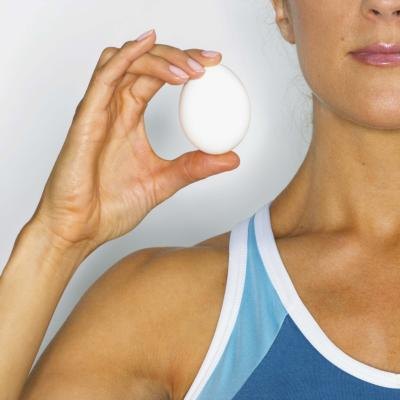
For breakfast, have eggs, sausage or ham, and an ounce of cheddar cheese. Eggs are high in protein with about 8 g per egg, and have zero carbohydrates. Most meats have very few carbohydrates and up to 20 g of protein, although processed meats such as sausage, bacon and ham may have a few grams. Check the packaging for carbohydrate and protein content , and purchase the product with less than one gram if possible. Cheddar cheese has less than one gram of carbohydrates per ounce.
Lunch
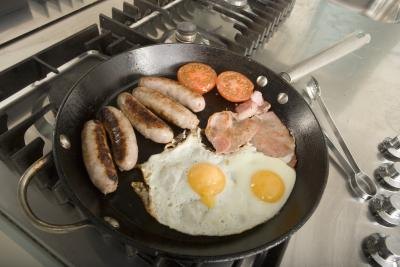
Eat a tuna salad for lunch. Lettuce has about three carbohydrates per half cup, and tuna has zero carbohydrates and 16 g of protein. Mix tuna with a low carbohydrate mayonnaise and put on top of lettuce. Add a tbsp of blue cheese dressing that contains less than one carbohydrate per 2 tbsp. Add bacon bits and a sprinkle of shredded cheese for a healthy salad.
Dinner
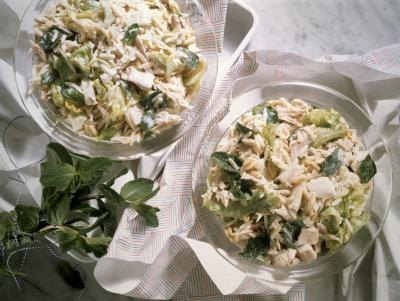
For dinner, have chicken breast, steak, pork chops, shrimp or other meat. These meats contain from 25 to 40 g of protein per 4 ounce serving and zero carbohydrates. Eat a small salad with 2 tbsp of blue cheese dressing for a healthy high protein meal. Add condiments as stated above for a heartier salad.
Snacks
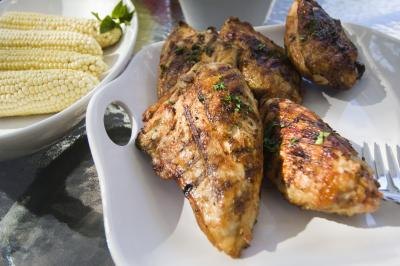
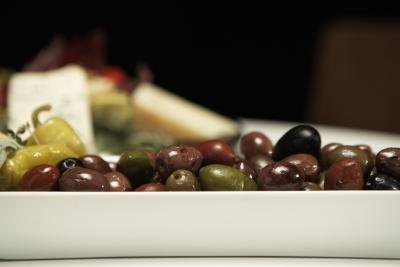
Eat a half an ounce of peanuts, a small pickle, cheese sticks or a handful of olives for a high protein low carbohydrate snack. Sugar free jello has zero carbohydrates and will help to alleviate a sweet tooth. Drink 2 liters of water daily to help flush fat. Coffee, tea are acceptable diet drinks. You can add low calorie sweetener to drink mixes, but remember, they are approximately one gram of carbohydrate per packet.
There are several fad diets on the market right now, each one promising extreme results in a short period of time. Because there are so many diets, it is hard to decide which one to follow or remember what the rules are for each diet. Following these steps, you will be able to follow Dr. Oz's You on a Diet menu plan.
Tips For You
Eat only when you are hungry. According to Dr. Oz, you should eat small meals often so that you can stay full and not splurge on big meals.
Get new dishes. Instead of using 11 or 13-inch dinner plates, switch to 9-inch plates for your meals. If you use smaller plates, your food portions will become smaller.
Eat the good foods. Every day you should try to work good foods into your daily routine. Dr. Oz recommends nine handfuls of fruits and vegetables, one handful of nuts, and whole grain bread or cereal.
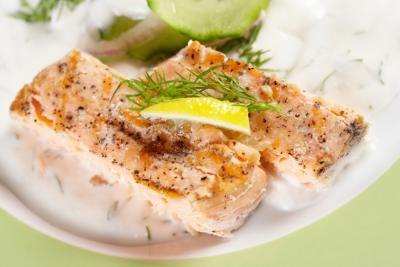
Eat fish. Fish is a healthy meat that you should eat at least three times a week. The fish that Dr. Oz says to consume are salmon, mahi mahi, tilapia, catfish or flounder.
Drink water. Drink at least two glasses of water before every meal. Not only will you stay hydrated, but this will help to fill you up so you don't consume as much food.
Avoid some foods. White foods such as rice, pastas and sauces should be avoided as much as possible. Simple sugars should also be avoided from your diet.
Get ready for bed. Make sure that you have your last meal at least three hours before you go to bed so that you give yourself a chance to digest.
Tips & Warnings
Besides eating the appropriate foods and avoiding foods that are bad for you, you should also take a multivitamin everyday as part of the Dr. Oz You on a Diet plan.
Dr. Oz also recommends getting enough sleep - 7 to 8 hours a night.
Finding the right dieting plan can be particularly difficult for women. Though there are a variety of plans to choose from, not every plan works for every woman. There are many variables to consider when choosing a diet that will work for you, including lifestyle, willpower and your personal desire to succeed.
Three-day Diet
This diet is effective and powerful, giving those who use it the opportunity to lose up to 10 pounds in three days. There is more than one way to follow this diet, although the following version gives you the same results with a few more food choices.
The basic principle of the three-day diet is to follow a lower-than-normal calorie diet over a three-day period, resulting in rapid weight loss. This is best suited for women who need to fit into a dress for an upcoming event such as a wedding reception or dinner party. Once the three days are completed, you may notice a loss of energy due to the dramatic cut in calories; it is for this reason that the diet should not be followed for more than three days at a time.
It works by boosting your metabolism and burning fat at a higher-than-normal rate because of the dramatic calorie cut. A typical day on the diet would be as follows: For breakfast you could eat half a banana with a slice of toast, no topping, accompanied by a cup of coffee, no sugar. Lunch would consist of cottage cheese or tuna on saltine crackers, while dinner might be a form of meat such as two all-beef franks, two vegetables such as broccoli and carrots, the other half of your banana and a half a cup of vanilla ice cream for dessert.
This diet plan requires strong willpower and must be strictly followed to see results. For long-term weight loss, you need to incorporate healthy eating habits or you will notice your weight loss return. In addition, you must drink at least eight glasses of water a day; this will help both with your weight loss and keep you full between meals.
The Low-Carb Diet
The low-carb diet was made famous by Dr. Atkins who seemed to have revolutionized the diet world for a period of time. This diet is terrific for women with busy lives who don't always have the time to prepare complicated meals. Though a sensational diet tool, it must be strictly followed to see results.
The basic rule of the diet is you can eat as much meat as you like all day long in any portion size, however lunch should be your largest meal of the day. Breakfast may consist of low-fat plain yogurt with a boiled egg, while lunch can be a large steak, piece of chicken, fish or veal. Your meat choice can be accompanied by a salad comprised of fresh vegetables. You are not allowed dressing though, only oil, vinegar and salt. You also need to omit any bread you may normally enjoy at this time.
Dinner basically resembles your lunch, but the portions should be a bit on the smaller side. If you feel a late-night craving kick in, it's OK to feed it with something such as tomato and cottage cheese; this should be eaten no later than 10 p.m.
Other foods you may enjoy on this diet include two tablespoons of oatmeal each day, olives, an ounce of raw nuts and one piece of fruit a day, which may help with any sweet tooth cravings you experience. Foods which are absolutely out of the question include refined sugars, resulting in the elimination of all sweets, rice and potatoes.
The week prior to your menstrual cycle may be the hardest, as this is when a craving for something sweet typically occurs. To combat this, eat an ounce of raisins or a teaspoon of honey; these will fulfill your craving and provide you with instant, harmless gratification.
High-Protein Diet
The primary goal of this diet is to limit the amount of food you eat which can transform into fat while feeding your body with the protein it needs to feed your muscle--the more muscle you have the more fat you will burn. The drawback of this diet is that there is no great variety of food, and it limits your intake of carbs and fats as well.
The amount of protein each woman needs will vary according to her current weight. To determine your personal protein needs, multiply your body weight by 1.2 (the number of protein grams needed per pound of weight). The number you get is the number of grams of protein you should eat each day.
Along with the protein, you are allowed salads and fresh vegetables such as cabbage, cucumbers and tomatoes. Tomatoes are a great source of lycopene which actually increase the benefits of the protein you are eating.
All sweets should be avoided, including fruits, as well as any food containing dough such as bread, pizza and pastries. Your meat and fish should be either cooked on a grill, boiled or baked, and your salads should only be topped with oil and vinegar.
Though there doesn't appear to be much difference between this and the low-carb diet, there are a few differences.
First, you need to eat seven to eight times a day on this diet; this feeds the muscles, hence adding to the amount of protein they contain. The amount of food you are also able to eat is limited more on the protein diet versus the low-carb diet.
For optimal results, you should combine exercise along with your diet; this will help build your muscle to help give you a lean look without bulking up, a fear many women have.
Safe diet plans should include items from every food group and provide at least 1,200 calories per day. Diets that forbid entire sections of the food pyramid or suggest very low calorie intake are dangerous and unhealthy, and will not help with long-term weight loss. Avoid any diet plan that makes miraculous claims about fast results, or that includes diet pills or meal replacements. The safest diets include real, healthy foods and focus on portion control and healthy calorie intake.
Keep Total Calories Low
According to a study done by the National Heart, Lung and Blood Institute of the National Institutes of Health, low-calorie heart-healthy diets can help you lose weight and maintain weight loss, regardless of the proportion of calories that come from fat, carbohydrates or protein. This means you don’t have to eliminate carbs or fat to eat a healthy diet, as long as you choose heart-healthy options and keep your total calories low. If you love pasta or beef, don’t deprive yourself of your favorite foods. Instead, choose whole grain pastas and small portions of lean beef like tenderloin. Use heart-healthy fats like olive oil to prepare your food, and balance any high-calorie items with low-calorie side dishes.
Focus on Fruits and Vegetables
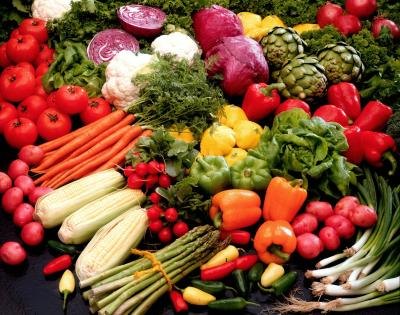
Instead of focusing your meal on a large steak or heaping serving of pasta, incorporate foods like vegetables, which provide a lot of food for a few calories. Fruits and vegetables have high water and fiber content, which means they fill you up for fewer calories and they keep you feeling full for longer. Fill at least one-third of your plate with fruit or vegetables at every meal, and choose oranges or green peppers for mid-afternoon snacks instead of processed snack foods.
Practice Portion Control
The key to keeping calories in check is portion control. Until you are familiar with proper portion sizes, use measuring cups or specific dishes to help gauge your portions. The USDA defines one serving of pasta as ½ cup, or about one handful. A serving of meat is three oz., or about the size of a deck of cards. Most Americans consume three to four servings of meat and pasta without even realizing it, and those calories add up. Stick to one or two servings of protein and carbohydrates per meal, and fill the rest of your plate with steamed, grilled or fresh veggies.
Think Variety
The American Heart Association emphasizes the importance of dietary variety for both nutritional benefit and to keep your diet interesting. Include foods from every food group, and vary the items you choose. Include proteins like fish, chicken, beef, beans and lentils on a rotating basis, and include carbohydrates like pasta, potatoes, brown rice and quinoa. Eat fresh produce when it is ripe and in season, and try new fruits and vegetables; you may discover new healthy foods you didn’t even know about.
Designing healthy meal plans saves time, money and anxiety when it comes to shopping for and feeding your family. Armed with healthy meal plans, the question "what's for dinner" won't plague you, nor will a shopping cart full of unnecessary and costly items. Lastly, healthy meal plans will allow you to take a good look at the amount and quality of nutrition your family is getting on a daily basis.
Tips For You
Set up a chart for your healthy meal plans, either on paper, or in spreadsheet software like excel. Down the left-hand side of the paper, write the days of the week. Be sure to space them well enough to be able to write in what meals you will be having.
Enter the category for each meal you eat into your healthy meal plans chart. Across the top, from left to right, write the words "breakfast, lunch, dinner, snacks." This is a basic grid which allows you to place a whole week of healthy meal plans on one page.
Start with the area on your healthy meal plan that corresponds to "breakfast" and "Monday." Think about what your family usually eats for breakfast, and think about how this meal could be improved.
In a new spreadsheet column or separate sheet of paper, write down the ingredients you need to buy for Monday's breakfast. You are now creating shopping lists from your healthy meal plans.
Continue filling in each meal, each day, including snacks, until you have created healthy meal plans and shopping list for the whole week. As you go, consider what ingredients you are buying and how you can use them up in other meals, later in the week.
Be sure your healthy meal plans include plenty of fruits, vegetables, whole grains, healthy fats and quality proteins. If you know in advance that you will be eating out one day, add that to your healthy meal plans. Also leave space for leftovers!