Showing posts with label Protein. Show all posts

Protein Supplement Is Good Or Bad

In today's world of science and technology everything is ameliorating rapidly which also gives their prints on food technology. Food technology is the fastest growing industry in present scenario. It has a great impact on the today's youth generation because of the concern of fitness on our young people minds.

In present times everyone wants to be fit, fine and prodigious. And to look fit and fine, they start taking extra protein along with their regular diet. Protein is good and bad for a person, it depends on the condition of a person. Who is taking protein? , In what amount it is taken or at which condition it is taken. Protein is available in our environment in many forms. But blisteringly it is found in fish, meat, egg, milk, cheese, isopure, whey protein etc.

Supplementary protein is mainly taken by body builders, athletic, players and those who work out heavy. Body builders and athletics mainly prefer isopure. Isopure is the nature's purest form of protein available. Isopure has its own pro and cons. It is available in the form of liquid and power. It helps in developing our muscles and strength but over-dose of isopure could cause increase in fat in our body and also bulkiness of our body.

Protein is one of the most important macronutrient for human being. And minimum requirement of protein for teenage boys is 52gm and for girls is 46gm.For adults this criteria is 56gm and 46gm respectively. According to the recent study of science journal that human body produces a protein which helps in our nerve health and deficiency of this protein causes problems to our central nervous system.

Recently a discovery shows that proteins could help us in curing the Parkinson's disease. Currently there is no such medicine invented which can directly hit this disease. Every cure is used to ease the effect of this disease. Many ways protein supplements are helping us in different ways.

We also know that there are two sides of everything, its good side or bad. But it depends on the person how he or she takes it. Too much dose of protein can cause irritation in the intestine, increase in the body fat, kidney problems, heart disease etc. We also know that if we take anything which is more than required to our body can cause problem to our body, even water in excess quantity is harmful to our health. It is advised to take protein in appropriate quantity because overdose of proteins could cause serious health problem to our body and also affect our nerve health.

Protein supplement is mainly used by body builder. Whey protein is very famous among them. Whey protein consists of protein in whey, it is most suitable for athletic, body builders etc. This protein can also be used instead of milk product. It is also an alternative for people with lactose intolerance. Whey protein also improves the nutrient content of body but it also effect the immune system of our body.

According to me i prefer both natural diet and market product like isopure, whey protein, protein shakes etc. in a balanced way. There is no harmfulness in using market product. To launch before any product in market, there is a lot of research had been done on it. These product are scientifically checked, scrutinized and examined by The Food Safety and Standards Authority of India. We can also confirm by seeing FPO mark and Agmark on the food products.

8 Best Protein Foods For Weight Loss

High protein foods did not have to be expensive and also not all hard to come by. Many also are sold all around us.

What is a protein? 
Protein is one of the basic building blocks of the human body, which is about 16 percent of our total body weight. Muscle, hair, skin, and connective tissue composed mainly of protein. Protein is also great for muscle development for those who like to exercise to build muscle quickly.
So, for those of you who want to build muscle weight and must eat lots of high protein foods. Protein is also very good for those who are in a period of growth and also the elderly, do not forget the added vegetables to balance

1.Chicken
Chicken is food that often we enjoy are often made ​​fried chicken, roast, and also other types of processing, sometimes there who like to mix it with other foods. In addition to delicious, chicken also contain very high protein spread in various bodies.
- Chest Part 3.5 oz - 30 grams protein
- Part thigh - 10 grams of protein
- Part Wing - 6 grams of protein
- Meat cooked chicken (4 oz) - 35 grams of protein
(for average size)

2.Fish 
Fish are animals that have white meat such as chicken. In addition to the body's healthy fish also has high protein.
-Most Fish fillets or steaks are about 22 grams of protein to 100 grams of cooked fish.

-Tuna (6 oz) - 40 grams of protein.

3.Eggs
There are various types of eggs, no chicken eggs, duck eggs, turtle eggs etc and the good news all the high protein and good for the added power. Eggs may be quite often we hear as a source of high protein.
-1 Large egg - 6 grams of protein.

4.Milk
The milk has a higher protein than eggs. Milk is also good for the body and also for the growth of bone strength with calcium is high, there are many kinds of milk, depending on which one we despise and we also depend purposes.

Whole milk, 1 cup - 8 grams of protein.
Whole milk soy, 1 cup - 6 -10 grams of protein.

5.Yoghurt 
Yogurt is a fermented dairy products, so they also contain calcium for healthy bones and teeth. In addition to a delicious taste, they also contain a high enough protein.
1 cup yogurt - 8-12 grams of protein.

6.Cheese 
Cheese many people enjoy and also famous for it contains calcium and protein, was also good, although not too much also consume because it contains fat, too.
-Cheddar - 7 or 8 grams of protein per 28gram.
-Parmesan - 10 grams of protein per 28gram.

7.Nuts
An assortment of nuts are high in protein, but it tastes good and can make us addicted savory snack nuts, especially cashews savory that can make us brake literacy so delicious, other nuts are also good, so should not be too much .
peas, ½ cup cooked - 8 grams of protein.
Peanut butter, 2 Tablespoons - 8 grams protein.
Almonds, ¼ cup - 8 grams of protein.
Peanuts, ¼ cup - 9 grams of protein.
Cashews, ¼ cup - 5 grams of protein.
Sunflower seeds, ¼ cup - 6 grams of protein.

8.Know / Tempe
It's her favorite food besides the Indonesian tempeh know it's cheap, and even make their own can also be fried if it niat.bisa, dipepes, even now no one can make nuggets out, it feels pretty good, too.
-1 Ounce know = 2.3 grams of protein.

Protein Supplements for Weight Loss

Protein Supplements for Weight Loss is effective because it is a thermogenic food source. It burns many calories after you eat it.

Your metabolism will stay high all day which equates to weight loss.

It also means that you will feel full longer that you will tend to eat fewer snacks after your main meal.

The process that starts building more muscles in your body is called protein synthesis. Therefore protein supplements for weight loss helps a lot because more protein will make you keep the muscle mass that you already have and help you build more muscle. It is known that the more muscle you have, the more calories your body burns, that equates weight loss.

Always add exercise and strength training to the consumption of protein supplements that will result in more weight loss.

Whey protein is one of the supplements that are available in food stores. You can add it t o a shake and can even incorporate it in your cooking.

It is low in lactose. For lactose-intolerant people soy protein based protein supplements are an option because it is a plant-based protein.

Depending on weight and overall health, an adult needs 40 to 60 grams of protein a day. An average woman should aim for 20 grams of protein supplements for weight loss on a daily basis.

If you plan to add extra protein in your diet check with your doctor first especially if you have a kidney or a liver disease.

Remember not to depend on protein supplements alone for your daily diet. The nutritional benefits of whole healthy foods such as fruits, vegetables, lean sources of protein, whole grains, and regular physical exercise should be included daily. Burning more calories than you take in translates to losing weight.

Protein supplements for weight loss vary in protein that it contains from 100 per cent protein to a very low percentage of protein in it. Therefore, it is advisable to read the labels before buying the supplement product.

When adding extra protein to your meal, choose protein that is rich in nutrient but lower in saturated fat contents. For example you can add seafood that is rich in omega-3 besides being rich in protein. Add food that is rich in fiber as well as protein such as nuts. Calories still count, therefore make good protein choices.

Find out how much protein the food that you plan to eat contains. You will then have an idea of the total amount of protein that your meal provides.

How To Know How Much Protein is Right for Your Diet

Protein is a necessary part of any diet, but many people do not understand just how much protein they need to consume each day. Protein consists of amino acids, which are the building blocks of muscle. Adequate consumption of protein daily is necessary to maintain, repair and build muscle. Without enough protein, this would not be possible. Protein is also necessary for good immune system health and creation of hormones, enzymes, skin, hair, nails and blood. Those who ingest deficient amounts of protein may have symptoms such as loss of hair or brittle nails.   Those who wish to alter their physical appearance by losing fat or gaining muscle mass should often rely heavily on protein to assist them in fulfilling their goals. Muscle mass is denser than fat tissue and requires more calories than fat, which means increasing muscle mass will help to create a leaner and healthier physique. However, without adequate consumption of protein, it is not possible to build muscle. Protein is necessary to increase muscle mass and to repair muscles that are damaged by exercise. 
In determining how much protein is necessary, you should consider a number of different factors. Weight and activity level are the two prime considerations as you determine how much protein you should include in your daily diet. However, you will also need to establish your goals. The following are some basic guidelines for determining how much protein you need to consume each day:
  1. Weigh yourself with an accurate scale, which will provide your weight in kilograms. This is necessary as most calculations rely on your current body weight in kilograms. If you only have a scale which provides weight in pounds you can divide your weight in pounds by 2.2 to convert this number to your weight to kilograms.

  2. Have your body fat tested. This test will determine the percentage of your total body weight that consists of fat. This information is helpful for allowing you to determine whether or not your current percentage of body fat is healthy. If it is not, you should consider losing fat, building muscle or both. Healthy ranges vary based on a number of factors but in general between 19%-31% is considered healthy for females and 14%-25% is considered healthy for males. Highly trained endurance athletes such as triathletes and marathon runners may have significantly lower body fat percentages, but this can cause health concerns such as amenorrhea in women.

  3. Evaluate your current activity level. This is relevant as an individual who works at a desk and does not exercise regularly will require less protein than an individual who works a manual labor job or an individual who exercises strenuously each day for an hour or more.
Once you have considered all of the factors above, you can start to determine how much protein you will need on a daily basis. The following are formulas for protein consumption for three different scenarios:
  • Individuals with a current healthy percentage of body fat, an adequate amount of lean muscle mass and a relatively sedentary lifestyle should consume approximately 0.8 grams of protein per kilogram of body weight. According to this formula:
    • Protein Requirement = Body weight * 0.8
  • Individuals with a current healthy percentage of body fat, an adequate amount of lean muscle mass and who exercise regularly should consume approximately 1.0-1.2 grams of protein per kilogram of body weight. Those who have a high body fat percentage who are exercising regularly should also consume a daily amount of protein in this range, as it will enable them to increase muscle mass and return to a healthier body fat percentage.
    • Protein Requirement = Body weight * 1.0, or
    • Protein Requirement = Body weight * 1.2
  • Individuals with an unhealthy percentage of body fat, an adequate amount of lean muscle mass and who exercise regularly should consume approximately 1.5 grams of protein per body weight. This will allow these individuals to maintain or gain muscle mass and shed fat. Those who already have a healthy body fat percentage but want to increase muscle mass for purposes of creating a hulking physique would also be in this category. Endurance athletes who work out for more than 2-3 hours per day may also fall into this category. According to this formula:
    • Protein Requirement = Body weight * 1.5
The formulas listed above are basic requirements for daily protein consumption, but it is important to note that you should carefully evaluate your goals to determine whether or not the amount of protein you consume is helping to meet your needs. Additionally, it is important for all individuals to consume the majority of their protein from lean protein sources such as chicken breast, tuna, egg whites or whey.

How Much Protein Can Be Eaten on the Atkins Diet?

The Atkins Diet rose to popularity in the 1990s, with its premise that limiting carbohydrates and getting most of your calories from protein were the keys to weight loss and good health. While the diet plan does not limit protein or fat intake, it does stress eating sensible portions and limiting or eliminating fried and breaded foods.

History

  • The Atkins Diet was founded by Dr. Robert Atkins, a cardiologist who developed the plan in the early 1970s in an attempt to lose weight himself. Atkins claimed the high-protein foods eaten on his diet enabled the body to burn stored fat, rather than glucose, for energy. Other similar low- to moderate-carb plans such as the South Beach Diet soon followed, adhering to Atkins' theory that carbohydrate intake was actually worse for your body than fat.

Plan

  • People on the Atkins Diet are free to eat just about any protein-enriched product, provided it is not fried or breaded. Foods on the plan include chicken, turkey, hamburger, eggs and nonstarchy vegetables. Breads, pastas, cereal and other flour-based foods are almost entirely forbidden, as are sugar and caffeine. This allows someone on the Atkins plan to avoid feeling hungry, yet still lose weight. In other words, someone on the plan is encouraged to eat protein.

Protein

  • Protein is the staple of the Atkins Diet, and it has been proven to help build muscle and break down fat. The digestive, respiratory and immune systems also rely on protein to function. The United States Department of Agriculture recommends different amounts of protein based on your age and gender, typically anywhere from 46 to 56 grams per day. On the other hand, the Atkins Diet suggests 130 to 160 grams per day.

Concerns

  • Critics of the Atkins Diet suggest burning fat rather than glucose for energy--- a process known as ketosis---can be harmful to the kidneys and liver. Ketosis can be avoided by consuming a minimum of 100 grams of carbohydrates per day. However, the Atkins plan limits carb intake to less than 20 grams per day during the first two weeks, and around 50 grams during ongoing stages. Medical experts have also raised concerns about the effects of the diet and its allowance of fat intake on the heart.

Side Effects and Conclusion

  • Large amounts of protein can result in side effects ranging from headache to constipation to acne. People following the Atkins Plan are known to experience such symptoms particularly during the first two weeks, also known as the "induction" phase. This is also when the majority of weight loss is said to occur. As for how much protein you can eat on the Atkins Diet, there is no official limit. The plan is only specific about its restriction of carbs, and beyond that, stresses the idea of eating sensible portions throughout the day.

Protein Only Diet Plans

Protein only diet plans usually involve removing as many carbohydrates from the diet as possible. Carbohydrates provide energy for the body, but when they are not used, they are stored as fat. The idea behind high protein, low carbohydrate diets is that if carbohydrates are eliminated, the body will use fat stores for energy and you will lose weight. According to Atkins Diet website, the body produces ketones and begins to burn fat stores when carbohydrates remain at less than 20 g per day. A protein only diet plan requires you to eliminate carbohydrates for maximum weight loss.

Non-Diet Foods

High protein diet plans such as the Atkins Diet require that you eliminate all processed foods that contain sugar or carbohydrates. In addition, you cannot eat bread, potatoes or pasta. Do not drink soda, juice or other high carbohydrate drinks. Check all packages for carbohydrate content. All foods consumed on a protein only diet plan should preferably contain 1g of carbohydrate or less.


High protein diets require that you eliminate all processed foods that contain sugar or carbohydrates.

Diet Foods

Foods you can eat on a high protein diet plan include unlimited amounts of eggs and fresh meat. Cheese and dairy can be consumed in limited amounts. 3 oz of cheese usually contains just a few grams of carbohydrates. Regular coffee creamer has about 3 g of carbohydrate per serving as well.


You can eat unlimited amounts of eggs and fresh meat.

Breakfast

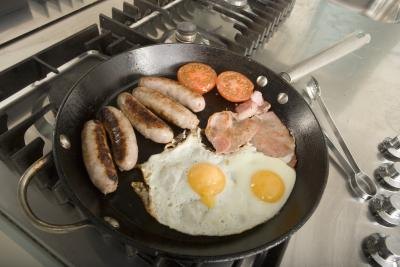
For breakfast, have eggs, sausage or ham, and an ounce of cheddar cheese. Eggs are high in protein with about 8 g per egg, and have zero carbohydrates. Most meats have very few carbohydrates and up to 20 g of protein, although processed meats such as sausage, bacon and ham may have a few grams. Check the packaging for carbohydrate and protein content , and purchase the product with less than one gram if possible. Cheddar cheese has less than one gram of carbohydrates per ounce.


For breakfast, have eggs, sausage or ham.

Lunch

Eat a tuna salad for lunch. Lettuce has about three carbohydrates per half cup, and tuna has zero carbohydrates and 16 g of protein. Mix tuna with a low carbohydrate mayonnaise and put on top of lettuce. Add a tbsp of blue cheese dressing that contains less than one carbohydrate per 2 tbsp. Add bacon bits and a sprinkle of shredded cheese for a healthy salad.


Eat a tuna salad for lunch.

Dinner

For dinner, have chicken breast, steak, pork chops, shrimp or other meat. These meats contain from 25 to 40 g of protein per 4 ounce serving and zero carbohydrates. Eat a small salad with 2 tbsp of blue cheese dressing for a healthy high protein meal. Add condiments as stated above for a heartier salad.


Dinner choices can include chicken breast, steak, pork chops, shrimp or other meat.

Snacks

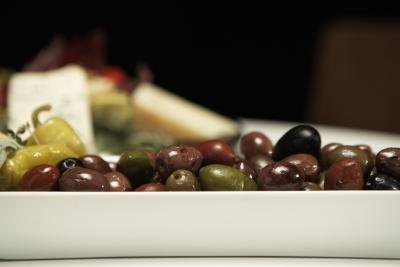
Eat a half an ounce of peanuts, a small pickle, cheese sticks or a handful of olives for a high protein low carbohydrate snack. Sugar free jello has zero carbohydrates and will help to alleviate a sweet tooth. Drink 2 liters of water daily to help flush fat. Coffee, tea are acceptable diet drinks. You can add low calorie sweetener to drink mixes, but remember, they are approximately one gram of carbohydrate per packet.


Olives offer a low carbohydrate snack.