Showing posts with label Gluten Free Diet. Show all posts

How to Transition to a Gluten-Free Diet

Transitioning to a gluten-free diet can be a challenge, but for the growing number of people diagnosed with gluten intolerance, known as celiac disease, it can open the door to improved health and quality of life. For celiac sufferers, gluten--the protein found in wheat, rye and barley--can lead to symptoms ranging from digestive and autoimmune disorders to a greater risk of intestinal cancer. According to celiac.com, at least one in every 133 Americans suffers from gluten intolerance; many are undiagnosed. If you have recently been diagnosed with a gluten intolerance, transitioning to a gluten-free diet will take time and commitment, but the results will be well worth the effort.

Tips For YouGoing Gluten-Free


  1. Remove any food items containing gluten from your cupboards, making sure to look for hidden sources of gluten like malt in ingredients lists. Visit websites like celiacsolution.com or celiac.org for a complete list of gluten-containing ingredients and foods. Clean your oven, cupboards, utensils and pots and pans thoroughly and replace your toaster--just a few bread crumbs can wreak havoc for celiac sufferers.
  2. Check for gluten in nonfood items as well. Wheat is used as a thickening agent in a wide range of products, from beauty care items like lipstick, lotion and shampoo, to art supplies and even lickable envelopes. Read ingredients lists closely, contact the product's customer service departments with questions and visit sites like celiac.com for a list of celiac-safe products.
  3. Focus your food shopping on natural foods like fruits, vegetables, meats and gluten-free grains like rice and quinoa. Read labels carefully, as items ranging from salad dressing to frozen french fries often contain gluten. Most dairy products are gluten free, but many celiac sufferers also have a lactose intolerance, so if this is the case with you, avoid dairy products and opt for soy substitutes instead. Many grocery stores now offer gluten-free versions of traditional wheat products like bread, pasta, waffles and even easy mixes for cookies and cakes. Search websites like celiac.org for lists of gluten-free products to take with you on your shopping trip and recipes for gluten-free alternatives to your favorite wheat-containing foods.
  4. Research gluten-free restaurants online when you're planning a night out. A growing number of chain restaurants--including, in 2010, Outback Steakhouse, Bubba Gump Shrimp Company and P. F. Chang's--offer special gluten-free menus. If you can't find information online, phone the restaurant before you go to learn about their gluten-free options. At the restaurant, let the waiter know you are unable to eat gluten and see what they can do to accommodate your diet.
  5. Get your friends and family in on the act by informing them of the importance of following a gluten-free diet and the improvement it will make on your health and well-being. For more support, join an online celiac group through websites like celiac.org and celiac.com.


Forbidden Ingredients on a Gluten Free Diet

A gluten-free diet is the only effective treatment for celiac disease and gluten sensitivity. Gluten, a protein found in wheat, barley, rye and their derivatives, must be avoided completely. Unfortunately, the gluten-free diet is not as simple as removing gluten-containing grains from your diet, as many ingredients in processed and packaged foods contain gluten. Going gluten-free requires that you become proficient at reading food labels in order to identify forbidden ingredients.

Wheat and Wheat Products

  • Wheat shows up in a variety of foods, and it can be difficult to spot. All breads, cereals, pasta, crackers and pastries made from wheat flour must be avoided. Wheat can also be found as semolina, spelt, kamut, triticale, durum, einkorn, farina, cake flour, matzo and couscous. If you seen any of these words on a food label, then the food contains gluten. Wheat flour is a common ingredient that can also be listed as enriched flour or bleached flour. Fortunately, if a food does contain wheat, the FDA requires food manufactures to clearly state that -- and other common allergens -- on the label.

Barley

  • Barley, as a grain, is not a popular ingredient in processed foods. However, it is used to make popular food ingredients such as malt flavoring, malt vinegar, malt syrup, brown rice syrup and brewer's yeast. All of these ingredients derived from barley contain gluten and must be avoided. Beer is generally fermented from barley, unless it is labeled gluten-free. Unlike wheat, barley is not required to be listed on food labels as an allergen. You must search for these gluten-containing products on the ingredients list on the food label.
  • Stabilizers and Starches

  • Many ingredients that contain grain products do not carry the name of the grain. Stabilizers, starches, emulsifiers, textured vegetable protein, hydrolyzed vegetable protein, hydrolyzed plant protein, modified food starch, vegetable gum, soy sauce and cereal extracts can all contain gluten. Dextrins and caramel coloring may or may not contain gluten, but if they are made from wheat, the product should display a wheat warning. If you see any of these other ingredients listed on a food label, avoid eating the food unless it is labeled gluten-free.

Other Ingredients

  • Gluten is often hiding in breading, dressing and sauces. Always check labels before adding a sauce or topping to your food and request ingredient lists when you dine in a restaurant. Oats do not contain gluten unless they have been contaminated by gluten-containing grains. Certified gluten-free oats are guaranteed to be free of contamination. Fruits, vegetables, meats and dairy products are naturally gluten-free unless they contain grain additives. You can avoid many sources of gluten by limiting processed foods in your diet and focusing on naturally gluten-free foods.

How to Follow a Gluten Free Diet

A gluten-free diet is often prescribed to people with celiac disease, and those who are allergic to the gluten protein and grains such as wheat. It is challenging to follow a gluten-free diet because it is difficult to consume the recommended servings of grains by eating conventional bread. However, it is possible to follow a gluten-free diet and still meet the recommended dietary requirements.

Tips For You


  1. Eliminate most grains from your diet; wheat, barley and rye are not allowed. All flours are prohibited, except for flours that are made from rice, potatoes or nuts. Do not eat any breaded foods.
  2. Avoid cereal. Cereals that are made from rice are allowed, but make sure that the cereal has not come into contact with wheat or any other substances that are not allowed.
  3. Do not eat pasta, other than gluten-free pasta that's made from rice.
  4. Examine food ingredients carefully. This poses a challenge, particularly when eating out, but gluten is often an ingredient in sauces, salad dressings and even soy sauce. If you are eating out, you need to know exactly what is in the food that you eat, and how it is prepared.
  5. Do not eat food that is cooked with, or around, gluten. For example, your scrambled eggs will be contaminated with gluten if they were scrambled on the same grill as French toast.
  6. Substitute grains containing gluten with a gluten-free alternative, like buckwheat. Gluten-free breads are sold in some health-food stores. The packaging should state that the food is gluten-free, so that you can be sure it has not been contaminated with gluten during processing.


How to Eat a Gluten Free Diet

Eliminating gluten from your diet can have enormous health benefits. Not only is this helpful for those with celiac disease, but it also can help relieve other digestion-related health issues.

Gluten is a protein byproduct found in grains such as wheat and is used as an emulsifier and anticoagulant. Gluten often hides in products you'd never suspect, so eliminating gluten might seem like a daunting task at first but actually is easy once you become educated about gluten and how to avoid it. Here are some helpful tips to get started.


Things You'll Need


  • Grocery lists Boxes for use when cleaning out your pantry Time spent browsing grocery store shelves

Tips For You


  1. Do some research. Begin to browse the Internet on gluten-free diet sites. Familiarize yourself with the names that gluten might "hide" under, such as "modified food starch" and others.Gluten is found in many obvious products--breads, pastries and other wheat-based food--and in some others--things such as hot dogs and certain brands of iodized salt. Many grains, such as oats, barley and rye, also contain gluten.
  2. Make lists. Once you familiarize yourself with what products are "safe" and what aren't, make a list of things you can eat that are gluten-free. When in doubt, don't eat it until you find out for sure. Call the manufacturer and ask. As more people are maintaining a gluten-free diet, many companies have this information ready.
  3. Clean out your pantry. Get rid of anything that you have in your house that contains gluten. Box it up and donate it to a local food pantry. Switching to a gluten-free lifestyle can be difficult at first, so the less temptations you have on hand, the better off you'll be.
  4. Enlist the support of friends and family. The support of people close to you is valuable when beginning a lifestyle change of any kind, particularly a dietary one. Tell all your friends and family that you are gluten-free. If they invite you over for dinner and don't know what to cook, offer to bring your own food until you can educate them.
  5. Read labels. Take some time (without shopping) to simply look at products on your grocery store shelves. Read the fine print and the labels. See where you can find hidden sources of gluten. Make a mental note of such products, or write them down in a list of foods to avoid.
  6. Be easy on yourself. Many people experience withdrawal-like symptoms after eliminating gluten. Most of these symptoms are mild. Some people report feeling "flu-ish," while others go through emotional changes. This is normal and is the body's way of processing the internal changes it is going through. This discomfort usually lasts less than a week.


7-Day Gluten-Free Diet Plan

People suffering from Celiac disease must avoid foods containing the protein gluten, which is found in certain grains like wheat, barley and rye. In individuals with Celiac disease, gluten causes a reaction in the small intestine resulting from the inability to absorb nutrients in food. There are a number of places on the Internet that provide a wide variety of gluten-free recipes in all categories.

What is Celiac Disease?

  • Celiac disease is also called gluten-sensitive enteropathy, celiac sprue and non-tropical sprue and tends to run in families. According to Dr. Shelley Case, "it is a multi-system, multi-symptom disease with serious implications." Celiac disease can lead to osteoporosis, depression, behavior problems, anemia and stunted growth in children. According to WebMD, it is suggested that anyone who suspects they have Celiac disease see a doctor for a professional diagnosis before trying a gluten-free diet since the markers of the disease are deposited in the bloodstream.

Breakfast

  • RecipeCzar.com has hundreds of gluten-free recipes and the recipes for this meal plan can be found on the website (see Resources for a link).
    Sunday--Seriously Fluffy Gluten-Free Pancakes
    Monday--Healthy Pumpkin Oatmeal
    Tuesday--Gluten-Free Granola with Walnuts and Mulberries
    Wednesday--Eggs in Tomato Cases
    Thursday--Potato Parsley Pancakes
    Friday--Custom Fruit Salad
    Saturday--Spanish Omelet
  • Lunch

  • The following lunch recipes that includes videos on how to prepare the dishes these recipes can be found on ifood.tv
    See resources for a link.
    Sunday -- Gluten-Free Pizza
    Monday -- Sushi
    Tuesday -- Mediterranean Dolmas
    Wednesday -- Risotto
    Thursday -- Tuna Pasta Salad
    Friday -- Grass-fed burger
    Saturday -- Black bean burritos

Dinner

  • The recipes for these tasty dishes, along with shopping lists, can be found at theglutenfreeweek.com (see Resources for a link). The one-dish meals that are included here can be augmented with a side salad, gluten-free bread and/pasta as well as your choice of vegetable.
    Sunday -- Roast Chicken, Rice Pilaf, Zucchini and Squash
    Monday -- Szechuan Peanut Noodles with Broccoli
    Tuesday -- Ricotta Stuffed Chicken, Rutabaga and Carrot Puree, Salad
    Wednesday -- Beef Stew
    Thursday -- Stuffed Green Peppers
    Friday -- Barbecue Chicken, Rice Pilaf and Spinach
    Saturday -- Thai Chicken Curry

Snacks

  • At recipezaar.com there are more than 2,000 gluten-free recipes in this category. Below are just a few of the recipes available:
    Chewy Granola Bars (Gluten-free, vegan, egg free and dairy free)
    Ants on a log (gluten-free and peanut free)
    Vanilla cupcakes with chocolate (gluten-free and sugar-free)
    Chocolate chip cookie bars (gluten-free and dairy free)
    Pumpkin spice muffins (gluten-free and dairy-free)
    Dense Delicious Brownies (gluten-free and dairy/casein free)

Foods to Buy for Gluten-Free Diets

Many foods contain gluten, which is found in wheat, barley and rye. Some people have a sensitivity to gluten, especially those with wheat allergies or coeliac disease, an illness that triggers an adverse immune reaction. People with these disorders cannot eat gluten, as it damages the lining of the small intestine. This can result in stomach pain, bloating, weight loss, mouth ulcers, hair loss, rashes and many other symptoms. However there are many natural gluten-free foods and alternatives.

Meat


  • Fresh meat is gluten free.

    Fresh meat, poultry, eggs and fish are all naturally free of any gluten. However, care should be taken when purchasing marinated or seasoned meat, as the marinades and seasoning can contain gluten. The same applies to broths and soups.

Fruit and Vegetables


  • Fresh fruit and vegetables are naturally gluten free.

    Fruit and vegetables are also completely gluten free, as well as healthy. Be sure to check for any coatings, seasonings, marinades or sauces as they may contain gluten. Vegetable soups may also be thickened with wheat flour, so care should be taken before purchasing them.
  • Rice


  • Rice is a good source of carbohydrates.

    Rice, millet, maize, quinoa, tapioca, sago, buckwheat, teff and sorghum are all free from gluten. Whole grain brown rice can be particularly good for those suffering from digestion problems. Risotto rice can offer a little more variety, as well as fragrant basmati and jasmine rice, both of which are great for stir-frying.

Dairy


  • Milk contains calcium, which is good for your teeth and bones.

    Milk, cream, cheese, butter and natural yogurt are free of gluten. However take care to check for any added ingredients, especially in yogurt (some brands add cereals) and pre-grated cheese (wheat flour is sometimes used to prevent the cheese from sticking together). Avoid low fat spreads, as these can contain additional ingredients.

Flour

  • Ordinary flour is made from wheat, so it should be avoided. However, there are gluten-free flours, including rice, corn, potato, maize, gram, soya, chickpea, sorghum, tapioca and chestnut. Due to the nature of wheat flour (it contains a protein that binds dough), baking with alternative flours can be difficult. It is best to search for specialty recipes for gluten-free baking.

Drinks


  • Coffee and tea don't contain gluten, and are a good source of energy.

    Tea and coffee, fruit juices, soda and many cordials are gluten free. If in doubt, check to see whether barley or 'cloud' is under the list of ingredients.

Alcohol

  • Gluten-free alcoholic beverages include wine, spirits, fruit cider and liqueurs. Beer should be avoided at all costs, as it contains wheat. However, gluten-free beers have grown in popularity, and popular brands include Redbridge beer and Bard's Tale.

What Happens if You Accidentally Eat Gluten on a Gluten-free Diet?

It is currently estimated that 8 percent of the United States population suffers from gluten intolerance and about 15 to 25 percent of consumers look for gluten-free products. This includes those exploring a gluten-free diet for non-medical reasons. Celiac disease, which occurs in about 1 percent of the population, is the most severe form of gluten intolerance and requires a gluten-free diet. Those who suffer from other forms of gluten intolerance, such a non-celiac gluten sensitivity, will also find a gluten-free diet to be very beneficial to their health.

Gluten Intolerance and Celiac Disease: What's the Difference?


  • All forms of gluten intolerance trigger a set of symptoms, which most commonly include gastrointestinal upset.

    Celiac disease has most recently been described as an autoimmune response occurring in genetically predisposed individuals and producing long-term damage to the small intestines. On the other hand, non-celiac gluten sensitivity is not an autoimmune response; therefore, the small intestine is free of any long-term damage. In both of these disorders, the exclusion of gluten-containing grains from the diet remains the only available treatment. In all forms of gluten intolerance, eating gluten triggers a varying set of physiological symptoms.

Know the Symptoms of Gluten Intolerance


  • Some symptoms aren't as easily linked to gluten-intolerance.

    Even consuming a very small amount of gluten can make someone who should be following a gluten-free diet very sick. Unlike an anaphylactic response to an allergenic food, a reaction to gluten may not occur right away and can vary based on the individual’s age, gender and the duration and extent of the disease. Diarrhea, constipation, flatus, abdominal pain and vomiting are common reactions someone with gluten intolerance may develop when they eat gluten. Weakness, weight loss, fatigue, headache, joint pain, “foggy brain” and numbness are also common, but less identifiable, symptoms. Certain conditions such as infertility, irritable bowel disease, pubertal delay, and folate, zinc and iron-deficiencies due to atypical forms of gluten intolerance could also develop.
  • Long-term Effects

  • Gluten-related disorders can also result in various long-term effects, for instance, an increased risk for other autoimmune diseases, such as rheumatoid arthritis, systemic lupus, psoriasis, and cardiomyopathy. Untreated celiac disease has also been linked to an increased incidence of small bowel malignancies, adenocarcinoma, and enteropathy-associated T-cell lymphoma. Therefore, a gluten-free diet is an instrumental part of reducing, if not eliminating, the occurrence of symptoms related to gluten-intolerance and their long-term effects.

What is a Gluten-Free Diet?


  • Brown rice, quinoa, and millet are several examples of gluten-free whole grains.

    A gluten-free diet is free of all gluten-containing grains -- wheat, rye and barley -- and it remains the gold standard for treatment of gluten-intolerance. Oats, although naturally free of gluten, should also be eliminated in a gluten-free diet unless products are signified as “certified gluten-free.” This is because they have a high risk of gluten contamination during processing. Despite the positive effects of a gluten-free diet on the health of those with gluten-intolerance and other purported health benefits for gluten-free eating, there is no published evidence to support its positive effects on the general population. Therefore, a gluten-free diet should only be followed when medically necessary.

How to Follow a Wheat Free Gluten Free Diet

Gluten is a term used to describe certain types of proteins found in grains like wheat, rye and barley. Because these proteins are so common, switching to a gluten-free diet can be very challenging. Recognizing the symptoms of gluten sensitivity is the first step to avoiding the discomfort associated with it. These symptoms can range from simple allergic symptoms to intestinal damage.

Tips For YouGluten Sensitivity


  1. To recognize the symptoms of a typical wheat allergy, expect to experience itchy, watery eyes accompanied with runny nose, skin rash or diarrhea. The symptoms appear relatively quickly after eating wheat. Try to avoid wheat products for a week to see if the symptoms are being caused by something else. Often, people who suffer from wheat allergies are still able to have oat or rye grains.
  2. Recognizing the symptoms of gluten intolerance is more serious than an allergy. Symptoms include bloating, stomach ache and diarrhea, more severe skin irritation like hives or eczema, joint and muscle pain, fatigue, or headaches. While these effects are uncomfortable, there is no long term damage to your body. Doctors can administer an antibody screening to determine if you have a gluten intolerance.
  3. Avoid gluten entirely if you are diagnosed with Celiac Disease. The symptoms are the same as a gluten intolerance but severe damage to the small intestine can result if a gluten free diet isn't strictly adhered to.


How to Avoid Gluten and Wheat Proteins


  1. Know what contains gluten. The short list of gluten-rich grains are wheat, rye, barley, spelt, kamut and triticale. Avoid products that list any of these on their nutrition labels.
  2. Call the 800 number on a product's package if you have a question about an ingredient listed on the label. An ingredient like "hydrolyzed vegetable protein" could be made of wheat, but it could also be corn or soy. "Caramel coloring" can be made from citric acid or barley malt.
  3. Don't assume certain foods are gluten-free. Many broths, candies, marinades, medications and vitamins contain gluten.
  4. Shop in ethnic food stores. Mexican and Asian shops often provide corn, rice and soy substitutes for traditional American fare. But again, always be sure to read up on the ingredients before taking any chances.


How to Lose Weight With Gluten Free Foods

Celiac disease is an autoimmunity condition in which the small intestine is damaged by foods containing gluten. Because many foods containing gluten, such as cake, muffins and pizza, are high in calories, a diet banning gluten can lead to weight loss. Gluten is a type of protein found in wheat, rye and barley. It is not necessary to ban gluten from the diet if you are not intolerant to it or if you don’t have celiac disease.
Step 1:
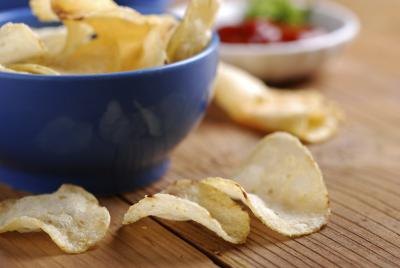
Ban junk food from your diet. Processed foods that are high in sodium and fat are almost always made with gluten. This will aid in weight loss.

Potato chips
Step 2:
Enjoy fresh fruits and vegetables. Most quick foods--that take no preparation --contain gluten. The ones that don’t contain gluten are expensive. Eat fruit and vegetables for a quick, inexpensive snack. Eat five fresh fruits and vegetables for your health. They are packed with fiber and are low in calories. This allows you to eat more, feel satisfied and not go overboard with calorie consumption.

Bowl of assorted fresh fruit
Step 3:
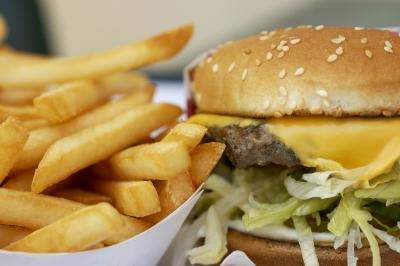
Steer clear of fast food chains. Although most of the foods available at them contain gluten, the ones that don’t probably have traces of it because they were not carefully prepared in a gluten-free environment, so you are at risk of consuming gluten if you eat there. Avoiding fast food chains will help you lose weight.

Cheese burger and french fries
Step 4:
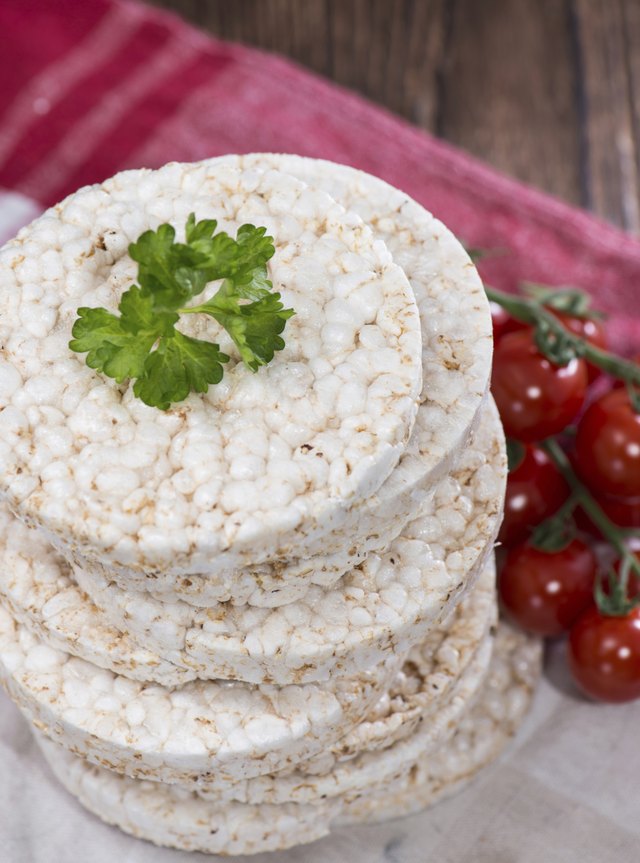
Avoid all gluten-containing foods such as pizza, pasta, bread, crackers, pretzels, cake, bagels or anything containing wheat, rye, barley and some oats. Foods may also contain gluten if they are cross-contaminated with gluten-containing foods at the manufacturer. For example, items such as rice cakes are gluten-free and okay to eat. If they were processed in a factory with wheat crackers, however, and care was not taken to insure there was no cross-contamination of ingredients, you might consume gluten in your rice cake. When in doubt, contact the manufacturer.

Rice cake with parsley garnish
Step 5:
Eat healthy, gluten-free foods such as fruits and veggies, eggs, rice, unprocessed meat, cheese, corn cereal and natural popcorn. There are a growing number of gluten-free products available that are made with gluten-free flour (corn, rice, soy, arrowroot, potato and tapioca flour) that allow you to eat versions of food that are normally banned from a gluten-free diet.

Popcorn
Step 6:
Consume fewer calories than you burn each day. This is the key to any weight loss diet. Eating sensibly and participating in an exercise program can help you achieve this. Choose low-fat gluten free-products and avoid all high-fat foods.

Exercise class
Step 7:
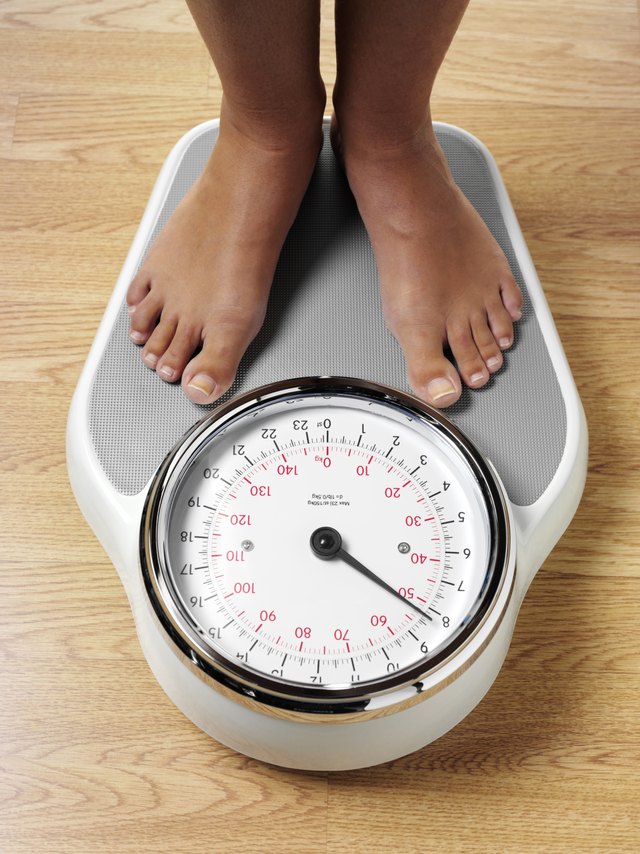
Consider a low-carb diet. These popular diets teach the dieter to consume a healthy balance of carbohydrates and fat to reach a healthy body weight and are compatible with a gluten-free diet.

Woman on bathroom scale
Step 8:
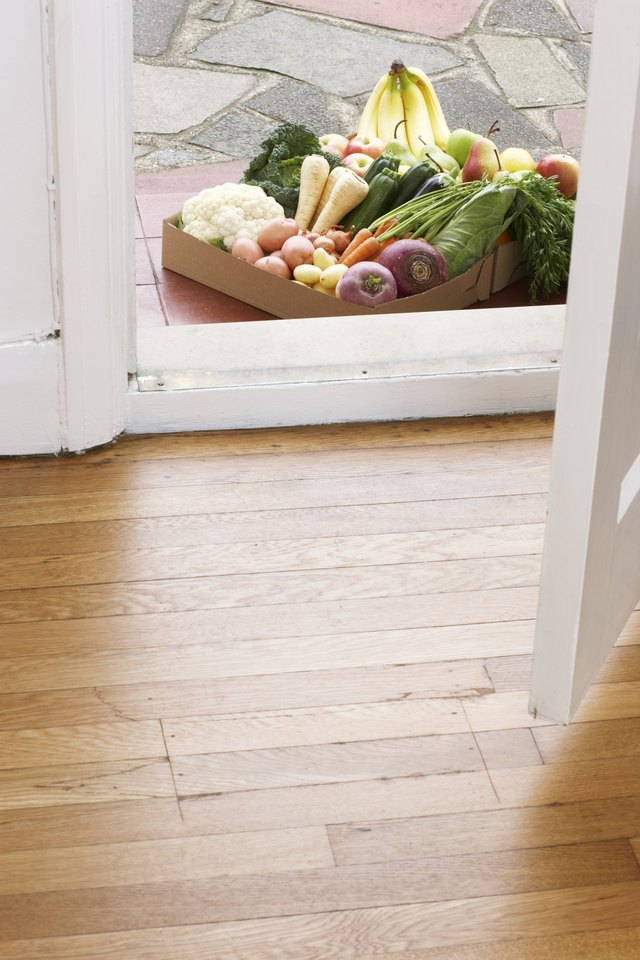
Sign up for gluten-free meal delivery plans. Sufferers from celiac disease can rely upon a food-delivery plan that sends healthy, gluten-free food to your door step. This is ideal for those who want to lose weight because you have control over the amount of calories you receive. If you calculate how many calories you should eat to lose weight, order the corresponding amount of food, and stick to eating only what is provided, you will lose weight. The best part is that you don't have to worry about accidentally consuming a product that contains gluten.

Healthy food at door step

Gluten-Free Sources of Fiber

Fiber is an important part of your diet and it is recommended that adults eat between 20 and 35 g of fiber a day. For those on a gluten-free diet, finding fiber sources can be challenging because most fiber-rich foods come in the form of multi-grain breads, cereals and pastas. You can meet your fiber requirements when the following foods are eaten as part of a well-balanced diet 

Legumes

  • Some foods in the legume, or bean, family provide a natural source of gluten-free fiber. The legumes that provide the highest sources of fiber -- between 10 and 14 g -- are peanuts and peanut butter, kidney beans, pinto beans, refried beans, peas, lentils and chickpeas. Soybeans can also be used as a source of fiber but they contain about 8 g per cup so more will have to be eaten.

Nuts and Seeds

  • The problem with using nuts and seeds as a major fiber source is they are also usually high in fat. The best sources of fiber -- between 13 and 17 g per cup -- are soy nuts, sunflower seeds and almonds. Flax seed is also a good source of fiber but is measured in tablespoons rather than cups and contains about 2 g of fiber 1 tbsp.

Whole Grains

  • Many of the grains found in commercially prepared gluten multi-grain products can be eaten individually while avoiding gluten. Ideally, they should not be used as a sole source of fiber alone because they all contain less than 4 g of fiber each. These foods include brown rice, corn, amaranth, buckwheat, oatmeal, quinoa, popcorn, wild rice and millet.

Vegetables

  • Vegetables are naturally gluten free and also contain small amounts of fiber. However, when eaten in a well-balanced diet they go a long way to meeting the dietary fiber needs of the average adult. Artichokes contain the most fiber at 10 g each followed by sun dried tomatoes and raw spinach at about 6-1/2 g a cup and carrots at almost 5 g a cup. Other vegetables such as cabbage, broccoli, Brussels sprouts, potatoes, cauliflower and asparagus all contain less than 2 g of fiber per cup.

Fruit

  • At the top of the fiber-containing fruit category are prunes -- 2 cups of pitted prunes a day will meet your fiber requirements, but prunes aren't the most popular of fruits. One cup of raspberries provide around 8 g of fiber while 1 cup of loosely packed raisins, a large apple or orange provide around 5 g of fiber. Other fruits such as bananas, blueberries, pears and strawberries all contain between 4 and 5 g of fiber a cup.

How to Switch to a Gluten-Free Diet

Gluten is the binding protein in wheat and other grains such as rye and barley. For people with gluten sensitivities or celiac disease, avoiding gluten is a must. Sufferers of celiac disease experience many debilitating symptoms from eating gluten. After you switch to a gluten-free diet, you should begin to feel better. Use these tips to go on a gluten free diet.

Things You'll Need


  • Gluten-free recipes
  • Gluten-free flours

Tips For You


  1. Eliminate all the gluten containing grains from your diet, including wheat, rye, barley, and triticale. Also eliminate oats, since oat crops can be cross-contaminated with wheat. The following steps outline how to remove these grains from your diet - a seemingly simple, but actually daunting, task.
  2. Educate yourself about eating gluten free before you switch to a gluten-free diet. Eating gluten-free involves knowing a lot more about the food you're eating than can be covered in this article. It's worth saying again: education is the key to success when you do the gluten free diet.
  3. Assemble gluten-free recipe resources. Subscribe to the magazine, Gluten Free Living. Visit websites targeted for celiac disease or gluten-free diets. Obtain cookbooks designed for people with celiac or food allergies or sensitivities.
  4. Read all product labels of packaged foods to find sources of gluten. Gluten hides not just in breads, crackers, cookies, cakes, pasta and pastries, but in beer, frozen meals, sauces, candies, gravies, soy sauce, granola, and many other products.
  5. Learn other names for gluten-containing ingredients on product labels. Modified food starch, for example, though sometimes derived from corn, may in some cases be a wheat product. Wheat can be called many things on product labels, including flour, spelt, kamut, semolina, durum, and seitan.
  6. Learn which products typically harbor gluten but neglect to mention the fact on the labels. Some spices use wheat as a filler but do not include wheat on the labels. Sometimes marshmallows and candies are packaged with wheat flour to keep them from sticking to each other.
  7. De-glutenize your kitchen. Keep gluten-free foods from getting contaminated by even trace amounts of wheat. Same with your pots, pans, and kitchen utensils. For advice on how to remove any traces of wheat and other gluten-containing grains, visit www.celiac.com.
  8. Now that you're informed, make your switch to a gluten free diet! Ask for gluten-free options when you go out to eat. Make sure your server understands what gluten free means before you eat the restaurant food that is supposed to be free of gluten.
  9. When eating food someone else has prepared, be bold. Ask about all the ingredients. If you can't get a complete answer or suspect there might be gluten in the food, don't eat it.
  10. If you are not already a cook, learn the basic principles of cooking and baking. If you formerly used many pre-packaged food products, you will need to do more of your own cooking to avoid gluten.
  11. Instead of wheat flour, substitute mixtures made from flours and starches that are based on gluten-free grains and legumes such as white rice, sweet rice, brown rice, sorghum, potatoes, tapioca, corn, and beans. Use these blends to mimic the action of wheat in recipes. Experiment with different flour blends until you find one that works for you and your family. One common blend is 2 cups white rice flour, 1/3 cup potato starch (not potato flour), plus 1/3 cup tapioca flour or starch. Refer to your gluten-free recipes for exact flours to use and proportions.
  12. Use gluten free pasta instead of wheat-based pasta in recipes. Brown rice pasta is a delicious substitute. Do not use pasta made with spelt, which contains gluten.
  13. Find gluten-free cookies, bread, and baked goods at natural foods stores like Whole Foods or Trader Joe's. You can also find baking mixes for brownies, chocolate cake, French bread, pie crust, and other treats in health food stores.


Gluten Free Fibromyalgia Improvement Diet

Fibromyalgia (FM) is a chronic health condition characterized by widespread body pain, fatigue, "brain fog" and painful tender points. Many fibromyalgia patients have successfully controlled their fibromyalgia symptoms and reduced pain by following a strict diet that eliminates gluten, a protein naturally occurring in many grains, including wheat, rye and barley. Here are some tips on how to follow a gluten-free diet and improve fibromyalgia symptoms.

Eliminate

  • Eliminate all grains that contain gluten. This includes wheat, rye, barley, bulgar and spelt. Other gluten-containing grains are graham flour, durham, semolina, farina, kasha and matzo meal.
    Beware of products containing buckwheat, quinoa and amaranth. While these grains don't contain gluten, they are often processed in plants that also produce wheat-based products. Avoid these grains unless the product label specifically reads "gluten-free."
    Study food labels carefully. While a product might not list any of the grains mentioned above, it might be produced with food preservatives and additives made with gluten. Avoid products that contain modified food starch, monosodium glutamate (MSG) and malt flavoring.
    Read the labels on non-food products. Vitamins and medications frequently use gluten as a binding agent, as do lip balms and lipsticks. Toothpaste might also contain ingredients made with gluten.

Eat

  • Eat fresh fruits and vegetables. Frozen and canned veggies and fruits might contain artificial additives made with gluten.
    Bake with gluten-free flours. Rice, garbanzo bean, almond, soy, potato or corn flour can frequently be exchanged for wheat flour in recipes. Check the package for substitution directions.
    Fill up on rice and potatoes. These gluten-free foods can be added to almost any meal and used in place of pasta. Grocery stores and health food stores usually carry rice noodles.
    Start your day with rice or corn-based cereals. These are healthy breakfast alternatives to cereals loaded with wheat. Be sure to check the ingredients list for malt, which typically contains gluten.
    Enjoy milk products. Organic yogurt, cottage cheese, cheese and other milk products are typically gluten-free. Avoid flavored yogurts and processed cheese, because they use artificial additives and flavorings that might contain gluten.
    Snack on rice cakes, popcorn and corn chips. These gluten-free products can be used in place of wheat-based crackers and satisfy your craving for salt or crunch.
    Satisfy your sweet tooth with plain hard candies, gumdrops and marshmallows. Many organic chocolate bars are also gluten-free, but be sure to check the label for wheat.
    Toast to your health. Wine, ciders and distilled liquors are generally gluten-free.

Considerations

  • Commit to following a gluten-free diet for at least two weeks. It might take that long to begin seeing positive results.
    Remember that the terms "wheat-free" and "gluten-free" are not synonymous. Wheat-free products can contain other grains such as spelt, barley or rye.
    Avoid cross-contamination. Gluten-free ingredients can easily be contaminated by other foods on cutting boards and grills.