
Showing posts with label HCG Diet. Show all posts
Showing posts with label HCG Diet. Show all posts
Does HCG Really Help Lose Weight?

How to Build Muscle Mass Using HCG

Things You'll Need
- HCG (injection or sublingual)
Tips For You
- Combine a low-calorie diet with HCG sublingual drops, taken twice per day. The low-calorie diet is often suggested to be dangerously low, around 500 calories per day, which is meant to stimulate weight loss while the HCG helps muscles grow faster, burning even more fat. If you are using the sublingual drops, it is suggested that liquids be avoided for at least 30 minutes following the application of the drops beneath the tongue to allow time for complete absorption. If fat loss is not a major concern, a healthy balanced diet can be consumed, and is more widely preferred by medical professionals.
- Engage in weight training at regular intervals, usually three times a week with a day of rest in between each hard workout. Be certain to drink sufficient water throughout each workout, and throughout the day, to ensure the muscles do not become dehydrated. Muscles are made up of protein and water primarily, and as such, require adequate nutrition and water for proper functioning, maintenance and growth.
- Continue the HCG regimen for about three weeks, or 21 days. This is the average recommended time for HCG diets and muscle-building routines. Although this substance is called "safe" by diet companies, and is used safely for infertility treatments and to assist in the testicular dropping of boys nearing puberty, it is considered a performance enhancer by professional sports organizations and is banned by Major League Baseball.
How HCG Works

How is HCG Derived?
- HCG stands for human chorionic gonadotropin, a hormone that is produced by women who are pregnant. It is obtained from their urine. It is sterilized and processed until it becomes a substance that is usable in injection form.
Fats and HCG
- The human body contains three different types of fat. One type of fat is called structural fat and it protects the vital organs of the body. The fat that the body uses when nutritional values are low is normal reserve fat. This type of fat is actually a healthy fat for the body to reserve. Abnormal fat gathers in areas of the body such as the abdomen, hips and arms. Even the buttocks, knees, ankles and neck can be areas that store abnormal fat. The fatty deposits stored in these areas can grow to become a permanent part of the body causing obesity. These fatty deposits are not a source the body can draw from. The HCG hormone is now being used to release these deposits of abnormal fat and make them a source of fat that the body can consume. This in turn, leads to weight loss.
How It Works
- Tiny amounts of HCG are administered by injection. The amount used is much less than what is present during a woman's pregnancy. The HCG then takes abnormal fat that has been stored and changes it into an energy that the body can use. This is equal to burning 200 or more calories in a day. Continuous dieting or yo-yo dieting damages the body's natural ability to regulate weight. HCG stimulates the part of the brain that regulates weight and works to restore this ability. This prevents regaining the weight that is lost. As HCG makes the stored abnormal fat available for consumption, the body starts using the fat to live off of. The fat is now providing a source of energy similar to the energy provided by food consumption. Patients are instructed to consume no more than 500 calories from food intake per day. Because the abnormal fat has been turned into energy, the reduced calorie intake is not noticed, and hunger is not a side effect. The new energy source is equal to 3,500 calories being consumed on a daily basis.For the process to work, the individual must stay on a strict diet and remain under medical supervision. While about one pound of weight is lost per day, the weight loss does not always happen in an even manner.
HCG Injections & Weight Loss

History
- In the early 1960s, Dr. Albert T. Simeons suggested that injected HCG would curb the appetite and allow dieters to eat a very low calorie diet. However, the FDA ruled in 1975 that HCG products must carry a label stating that the hormone is not a proven weight loss drug. According to dietscam.org, the use of HCG decreased but made a comeback in 2007 after Kevin Trudeau promoted the injections in a book he wrote.
Function
- You are allowed a maximum of 500 calories per day on the HCG diet. Your food choices are limited to lean proteins and certain fruits and vegetables. No carbohydrates, sugars or fats are allowed on the plan; however, you may have unlimited coffee and tea. According to Weight Loss Guide, dieters will lose 1 to 2 lbs. per day on the HCG diet.
Types
- The most popular method for taking HCG is injections. Intramuscular (in the upper thigh or buttocks) and subcutaneous (the fat on the stomach) injections are available. For the dieter cautious of needles, most clinics offer a sublingual---under the tongue---formula for drops. In addition, many online vendors offer homeopathic HCG (HHCG) drops. Speak with a certified clinic before purchasing HHCG as some dieters claim the homeopathic method does not always work.
Time Frame
- Dr. Simeons suggests two plans for HCG injections: 26- and 43-day programs. You can stay on the plan for less than 26 days; however, Dr. Simeons advised not to go past 43. The first two days of each plan consists of "loading" on unlimited fatty foods while taking HCG. You continue administering the hormone once the very low calorie diet begins. For the last three days of the plan, you must stop taking HCG but continue the low calorie diet so the hormone will leave your body.
Considerations
- Always consult your primary physician before starting the HCG diet as the hormone may interact with other medications. If you choose injections, it is essential that you let certified health care professionals administer the HCG to prevent harming your body. As of 2009, the HCG diet is still not recognized as a method of weight loss by the FDA.
HCG Diet & Average Weight Loss

Choosing a Program
Numerous weight loss clinics worldwide administer HCG injections. While searching for a program, try to find one that includes diet and exercise regimens as well as weekly weigh-ins with a medical professional. When you visit with the doctor, expect her to take your blood pressure and review your overall health.
Vital Solutions, a weight loss clinic in Arizona, markets HCG as part of a weight loss regimen, saying patients can lose 1/2 to 1 pound per day. While you are taking HCG you can achieve this rate of weight loss, assuming you are also on a very restricted diet. HCG injections reportedly suppress the hypothalamus, causing appetite suppression. HCG is also promoted to mobilize fat stores. However, a double-blind study published in the Western Journal of Medicine found that when compared to placebo, HCG caused no increase in weight loss.
Typical Weight Loss
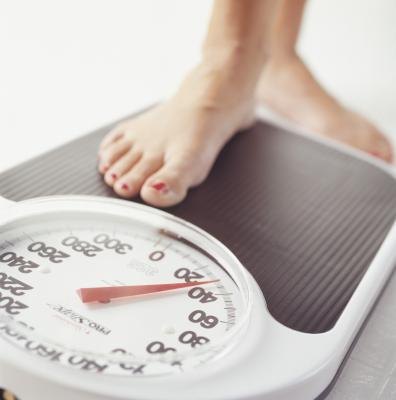
HCG injections are typically combined with an extremely restricted calorie diet, sometimes as low as 500 calories per day. HCG injections function as an appetite suppressant, making it easier for you to adhere to such low caloric intake. Depending on your current weight, exercise regimen and calorie needs, you could lose up to 2 pounds per day. In general, you will need a 3,500 caloric deficit to lose 1 pound.
It is crucial that you also include exercise with any diet program. In order to achieve rapid weight loss, you will need to simply expend more calories than you take in. The amount of calories you restrict plus the number of calories you burn through exercise will determine how quickly you lose weight.

Extremely low calorie diets are not encouraged by most medical professionals unless you have obesity-related illnesses that outweigh the dangers of calorie restriction. Additionally, doctors recommend weight loss at the rate of 1 to 2 pounds per week. This rate is considered to be the most effective in maintaining your weight loss permanently.
Side effects do occur with HCG diets. These include shortness of breath, headaches, urinary problems, depression and irritability. Contact your doctor if you experience any of these symptoms.
Pregnant women should not take HCG. Discontinue shots immediately if you become pregnant.

HCG Protocol Diet

Eating Plan
Eating options are extremely limited with the HCG Diet. Breakfast is tea or coffee without sugar, although artificial sweetener can be used. For lunch or dinner you can eat extremely lean meat, one serving of your choice of 14 different vegetables, a bread stick or piece of melba toast and one serving of fruit that is either an apple, orange, strawberries or a grapefruit. If you want a snack, you must utilize your lunch or dinner options and spread them out across the course of the day.Food and Personal Care Restrictions
No medicines or cosmetics other than aspirin, birth control, lipstick, eyebrow pencil and powder may be used. Suntan lotions or creams are not allowed as they contain fatty ingredients. In terms of food intake, only 1 tbsp. of milk is allowed in 24 hours and tea, coffee and water are the only beverages that can be consumed. The juice of one lemon as well as a variety of seasonings may be used, but butter, oil and salad dressings cannot.HCG Shot
A daily injection of 125 iu of HCG is self-administered or administered by a doctor for up to 40 days. The duration of the injections will vary according to the weight loss goal. Women must continue with the diet but stop the injections during menstruation.Scam Alert
There is no scientific evidence to support the claims that HCG promotes weight loss. There is no doubt, however, that the near-starvation diet will lead to weight loss while also depriving the body of essential nutrients, vitamins and minerals, which can cause serious damage and have adverse health effects.According to the website Dietscam.org, since 1976 the Federal Trade Commission has required a label on HCG vials that reads as follows: "HCG has not been demonstrated to be effective adjunctive therapy in the treatment of obesity. There is no substantial evidence that it increases weight loss beyond that resulting from caloric restriction, that it causes a more attractive or 'normal' distribution of fat, or that it decreases the hunger and discomfort associated with calorie-restricted diets."
How to Know If Your HCG Is Real?

Things You'll Need
- HCG
- Clean syringe
- Pregnancy test
Tips For You
- Take the pregnancy test out of the container and read all the instructions. Pay particular attention to any graphics that show the difference between positive and negative results.
- Use a syringe to draw out 1 milliliter of HCG liquid from its bottle.
- Put the syringe needle up against the strip located at the end of the pregnancy test. Slowly spray the liquid onto the strip until the strip is wet.
- Wait 5 minutes or the time recommended by your pregnancy kit instructions.
- Read the result of the pregnancy test. If the test is positive, your HCG is real. If the result is negative, this indicates that there is no HCG present in the liquid you used on the pregnancy test, so the product you have is not real.
How to Use Phentermine & HCG to Lose Weight

Tips For You
- Take a tablet of phentermine on an empty stomach in the morning before breakfast. One pill can suppress appetite for up to 12 to 14 hours, so it's best taken early in the morning. If taken at night, phentermine can cause insomnia. Also, taking it on an empty stomach will allow the drug to absorb faster into your bloodstream. Swallow the pill whole; do not break it in half or crush it.
- Eat breakfast, lunch and dinner after the taking the phentermine tablet as you normally would. Make sure to eat a nutritious meal full of lean meats and vegetables. Also, make sure to exercise at least 30 minutes a day about three times a week. Light to moderate cardio exercises such as walking, jogging, bike riding, dancing or taking an aerobics class are great options because they will help you lose the weight faster than with the pill alone.
- Mix the powdered HCG with sterile water obtained from a pharmacy using a syringe to combine 25 ml of sterile water with your particular dosage of HCG in a sterile glass vial. Follow the directions on the HCG mixing kit closely.
- Swirl the glass vial to make the HCG powder dissolve in the vial. Do not shake the vial.
- Using a sterile needle, inject the HCG into the buttock or thigh muscles. Make sure you understand the correct procedure for injection before you attempt to do this.
Dangers of HCG Injections for Weight Loss

Misconceptions
The U.S. Food and Drug Administration has not approved HCG injections for weight loss. Although doctors can prescribe medications for unapproved, or off-label, use, the FDA requires advertising materials and product labeling for HCG to state that no substantial evidence shows any effectiveness of HCG for weight loss. There also is no substantial evidence that HCG injections can redistribute fat or that it decreases hunger.Pregnancy Considerations
Women who may become pregnant must be very cautious about using HCG injections for weight loss. The hormone can greatly increase the chances of a multiple pregnancy, resulting in twins, triplets or even more. Multiple pregnancies, particularly those with more than two babies, can be high-risk for both the mother and the babies, and often lead to premature delivery and low birth weight. Additionally, HCG can cause severe birth defects. Women who use HCG injections to treat infertility must stop using the hormone as soon as they become pregnant, and women who use HCG for weight loss must also do so.Life-Threatening Complication
HCG injections are associated with ovarian hyperstimulation syndrome, a disorder that can be life-threatening. Symptoms include severe pelvic pain, abdominal swelling, nausea, vomiting, diarrhea, swelling of the hands or legs, weight gain, difficulty breathing and urinating less than normal. These symptoms occurring while taking HCG injections should be considered a medical emergency.Rare Serious Effects
Rarely, HCG injections can cause a blood clot. Symptoms include pain, swelling, warmth, redness, and numb or tingling sensations in an arm or leg. A person with a blood clot also might experience dizziness and confusion and develop a severe headache. An additional rare but possible side effect is an allergic reaction to HCG. Signs are a rash or hives, difficulty breathing, throat closing, and facial or mouth swelling.Contraindications
HCG injections can be dangerous if the patient has a hormone-related cancer or another condition that can be worsened by additional hormones. These types of cancers include prostate, breast, ovary, uterine, hypothalamus and pituitary. Women with an ovarian cyst and anyone with a thyroid or adrenal gland disorder should not use HCG injections.
Food Allowed on the hCG Weight Loss Protocol

Food Portions
Inject a daily dose of hCG during the weight loss portion of the protocol, and consume only about 500 calories a day. Eat two portions of each per day, no two of the same type to be eaten at the same time: 3.5 ounces of lean protein, 3.5 ounces of vegetable, and fruit. Cook food by steaming, broiling, baking or grilling, but do not add any extra fats. Season your food with lemon juice, raw apple cider vinegar, salt, pepper, chili, garlic or any herbs.

Proteins
Consume protein sources from lean meats, such as lean beef and chicken breast, seafood such as shrimp, lobster and crab, white fish such as tilapia, halibut and striped bass, or one whole egg with three additional whites. You can add other lean meats such as bison and venison to your diet. Eating egg is the most recommended meat substitute for vegetarians. Other accepted vegetarian options are a 16-ounce glass of skim milk or 3.5 ounces of fat-free cottage cheese, though often at the cost of slower weight loss. Some vegetarians also use protein powders derived from hemp, whey or rice to replace animal protein.
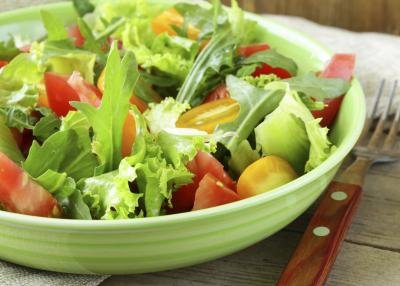
Choose from spinach, chard, chicory, beet greens, lettuce, tomatoes, celery, fennel, onions, radishes, cucumbers, asparagus or cabbage for your vegetable servings. Do not mix different types of vegetables in a serving. Some people eat broccoli while on the diet with no ill affects, while others find that this vegetable inhibits their weight loss. Add peppers, mushrooms, green beans, or alfalfa sprouts to the list if you want some updated choices. Some people mix different vegetables in a serving, though the original protocol instructs you not to do so.

Fruits
Choose from an apple, an orange, six strawberries or one half grapefruit for your fruit serving. Do not replace an orange with a tangerine, as tangerines are higher in sugar. Add blueberries or melon to the list if you want to try some new alternatives. Eat fruit that is fresh and not dried, canned or precooked, but you can cook it yourself.
Beverages
Drink about 2 liters of fluids per day. Choose from black, green and white teas, coffee and water. Include caffeinated beverages, but drink additional caffeine-free beverages to make up your fluid quota for the day. Add lemon juice or stevia extract to flavor water.

What Are the Benefits of HCG Injections?

Identification
HCG is a water soluble hormone produced by the placenta. It is found in the urine of pregnant women, primarily during the first trimester of pregnancy. It is part of a class of glycoprotein hormones, which include FSH (follicle stimulating hormones), TSH (thyroid stimulating hormones) and LH (luteinizing hormones). It contains both alpha and beta amino acids.Benefits
HCG can help to increase an infertile woman's chances of becoming pregnant, and it can help women suffering from irregular menstrual cycles. It also aids in the production of testosterone and sperm. Finally, male children who are born with cryptorchidism (an abnormality in the testes present at birth) are aided by HCG.HCG and Obesity Claims
Between the late 1950s, when first introduced by Dr. Simeons, and 1976, when the FDA and Federal Trade Commission took steps against HCG injections, HCG injections were the most popular method of obesity control in America. Dr. Simeons claimed that the drugs allowed people to live on as few as 500 calories a day, and that the drugs distributed stored fat and helped the body to metabolize fat.Some speculate their popularity was aided by doctors who wished to have the promise of patients returning for a weekly injection. Due to lack of proven results and the government action, HCG injections lost popularity until they were revived in 2007 by an infomercial and book by Kevin Trudeau claiming that HCG injections were the cure to obesity and that the American Medical Association, FDA and other medical groups were part of a conspiracy to suppress the truth.
FDA Position on HCG and Obesity
Many doctors will no longer perform HCG injections due to the lack of proven results and the potential side effects and risks associated with the drugs. Furthermore, since 1975, the FDA has required a warning to be affixed to HCG products stating that they have not been proven to be an effective therapy in the fight against obesity, that no evidence shows that they fulfill any of the promised claims.Side Effects
In males, side effects of HCG include breast enlargement, height increases, and/or the sudden development of facial or pubic hair when administered to adolescents. When used as a treatment for fertility, HCG can cause indigestion, vomiting or nausea, uncontrollable passing of small amounts of urine, difficulty breathing, bloating or rapid weight gain.If used as an obesity aid in conjunction with a very low calorie diet, risks of drastic calorie reduction exist, as doctors warn that eating a 500 calorie diet may not be enough to sustain vital organs within the body.
HCG Hormone for Weight Loss

What is HCG Hormone?
HCG stands for human chorionic gonadotropin hormone and is produced in great amounts during pregnancy. In fact, it is one of the tests a doctor will do to check to see if you early pregnancy is developing normally. A pregnant woman should increase her HCG levels quickly and steadily and it will continue to climb throughout the pregnancy.

What Does HCG Do?
HCG is made by the body to help feed the developing fetus by converting fat into food for the fetus and also helps in the creation of progesterone, which strengthens the uterus. While HCG is most commonly found in large amounts in pregnant women, it is present in small amounts in both men and women. It has been approved by the Food and Drug Administration for the fertility problems in both sexes.

The HCG weight loss diet fad began in the in 1950s and was a coupling of HCG injections and a 500 calorie per day diet. Since the HCG stimulates fat cells in pregnant women, the idea was it would do the same thing for anyone that takes it and would be a cure for obesity. The diets very strict 500 calorie diet is very strict on how much carbohydrates and fat can be taken in a day.

HCG and Weight Loss
Since the diet has been around since the 1950s, there have been a number of studies examining HCG's role in weight loss and the overall conclusion has been it has no effect on weight loss. The FDA and the Journal of American Medical Association have both said that there is no evidence to suggest HCG has any role in weight loss. Instead, the 500 calorie diet is the real reason why people lose weight and has nothing to do with the HCG injections.
HCG Diet Today
There are still several weight loss websites and institutions that support the HCG diet and offer it as part of their overall weight loss treatment. It should be noted that the FDA has not approved HCG hormones injections or pills for the purpose of weight loss. It is important that you talk to your doctor before starting any weight loss system, especially any that involve such a low calorie diet and hormone injections.

About HCG to Lose Weight

History
HCG injections were first used as a treatment for obesity by a British physician named Dr. A. T. W. Simeons. Simeons spent years studying obesity and weight loss. He noticed that after giving his patients HCG injections, they lacked the "symptoms one would expect from a patient on a very low-calorie diet. For example, his patients had "no headaches, hunger pains, weakness or irritability." Simeons published a report detailing these findings in 1954.Function
Simeons observed that, during pregnancy, obese woman were able to lower the amount of calories in their diet without becoming hungry or irritable. Simeons posited that due to the increased levels of HCG produced by the body during pregnancy , a woman's "diencephalic banking capacity seems to be unlimited, and abnormal fixed deposits are never formed," according to Hcgdietinfo.com. For this reason, Simeons believed that taking HCG injections would help to curb a person's appetite.Considerations
Despite these claims, HCG injections are probably not the best weight-loss aid. A study conducted in 1990 by the Department of Medical Physiology and Biochemistry at the University of Stellenbosch in Stellenbosch, South Africa found that patients receiving HCG injections did not lose any more weight than those on placebo, according to the U.S. Department of Health & Human Services. According to the Mayo Clinic, many other medical researches have studied the effectiveness of HCG injections on weight loss. The results of these studies "weren't promising."Warning
Manipulating the amount of HCG in your body by taking HCG injections could cause health problems. HCG is designed to stimulate the ovaries. It causes the amount of estrogen and progesterone in your body to fluctuate. Supplementing your natural level of HCG with an injection could lead to the formation of ovarian cysts according Dr. Katz in his article on the O, The Oprah magazine's website.Expert Insight
Because of these concerns, you'll probably be better off trying to lose weight the old-fashioned way. The only surefire way to lose weight is to live a healthy lifestyle. According to the Mayo Clinic, you should "take an honest look at your eating habits and daily routine." The best thing to do is to eat a healthy diet and exercise regularly.
What Is the HCG Diet?

Features
According to HCGDietInformation.com, the HCG Diet requires dieters to eat 500 calories per day and to administer a daily HCG injection. The HCG Diet also has a strict daily diet to follow. Breakfast only allows tea or coffee at any quantity, lightly flavored with 1 tablespoon of milk. Lunch and dinner only allows 100 grams of a lean meat, one type of non-starchy vegetable, one bread stick and a small, raw fruit. No snacks are permitted.Time Frame
The HCG diet lasts until the person reaches her weight-loss goal. On average, dieters utilize the HCG diet for two to three months. Many dieters are unable to stay on the diet for more than three months because of the strict dietary restrictions.Science
The HCG diet is based on obesity research conducted by Simeons, who believes that HCG, a hormone produced during pregnancy, helps obese people lose weight quickly. According to his research, small quantities of HCG release stored fat into the bloodstream.Side Effects
According to Yahoo Health, HCG causes stomach discomfort, bloating, irritability and headache. In rare cases, it caused a condition called ovarian hyperstimulation syndrome (OHSS), causing the ovaries to enlarge and cause pregnancy-like symptoms, such as abdominal distention, weight gain and vomiting.Theories/Speculation
Most of the facts, claims and benefits reported by Simeons come from his own research, not independent studies. There are no studies conducted by the FDA or other reputable health organizations that report the same benefits. Skeptics of the HCG Diet also believe calorie restriction is the cause of rapid weight loss, not the HCG injections.
Fruit on the HCG Diet

How It Works
HCG is the hormone created in the early months of pregnancy, which research suggests promotes dramatic weight loss quickly. Accompanying a small dose of HCG every day, dieters follow a low calorie meal plan of 500 calories per day which results in weight loss of up to 2 pounds per day and sometimes more.Getting Started
The HCG diet is going to be rough--but every diet is in the beginning. Commit yourself to following the plan to the letter. Eat every meal as directed, including eating fruit. Breakfast consists of only liquids. Drink as many non-caloric, non-caffeinated beverages throughout the day as possible.In addition to a serving of lean meat and vegetable, lunch also includes one approved fruit, which includes apples, grapefruit or strawberries. The quantity of strawberries must be measured, but you are allowed one apple or one grapefruit.
The dinner menu is the same as lunch as far as what is allowed, including a serving of fruit. Your fruit serving can be used as a substitute for dessert or used as a snack after dinner.
The first phase lasts 43 days and is typically when you will see the most dramatic weight loss. Your body will be in a "shock" of sorts and will burn additional calories and fat stores.
The importance of the fruit is not only to provide nutrients, but also to create the illusion of curing a sweet craving. Do not eat too much fruit as it can have negative effects on other areas of your health.
While you may be tempted to have a pear or banana as a serving of fruit on the HCG diet, resist the temptation. One key factor in the diet is the balance of nutrients you ingest, and these fruits contain more natural sugar than is allowed. Eating fruits that are not included as part of the HCG diet plan will result in slower weight loss.
Not only do other fruits have higher sugar content, they also have more calories. Another key to the HCG diet is controlling the amount of calories eaten. HCG dieters are allowed 500 calories per day; eating a banana rather than a half of a grapefruit will alter the calories consumed, again resulting in slower weight loss.
HCG Diet & the Liver

HCG as a Diet Aid
HCG is supposed to prevent the dieter from feeling hungry and light-headed from calorie restriction, according to a Nov. 2, 2009, Los Angeles Times article. Dr. A.T.W. Simeons developed the diet in the 1930s and claimed that his patients’ appetites sharply declined as they lost significant hip and waist size -- but not weight. He concluded that the HCG redistributes fat in other parts of the body where it can be metabolized more easily.Subsequent Studies
Doctors who followed Simeon’s protocol reported success but when doctors later compared patients who received HCG injections to those who got saline injections (a placebo), “the two groups both lost weight at the same rate--and all 45 participants complained of being constipated, hungry or weak,” the LA Times reported. A 1995 literature search of multiple studies of the HCG diet published in the British Journal of Clinical Pharmacology revealed that few, poorly conducted studies of the diet’s effectiveness had been done, and only one credible study appeared to confirm Simeon's findings. The authors concluded “that there is no scientific evidence that HCG is effective in the treatment of obesity; it does not bring about weight-loss or fat-redistribution, nor does it reduce hunger or induce a feeling of well-being.”Complications of Extremely-Low-Calorie Diets
Weight loss has been linked to reduction in healthy liver enzymes and nonalcoholic fatty liver disease. Liver enzyme levels decreased in men who ate an 800-calorie diet. The liver enzymes in women on this diet increased significantly, on the other hand, but only temporarily, a study in the American Journal of Clinical Nutrition found.The Foundation for Overcoming Liver Disease warns that extreme dieting (starvation) can aggravate existing fatty liver disease and a form of nonalcoholic hepatitis to the point of leading to cirrhosis or liver failure. The foundation and the University of Maryland Medical Center also say that extreme dieting can cause gallstones. If stones block the bile ducts, they can cause fatal infections in the ducts, the pancreas and the liver, these sources warn.
Potential HCG-Liver Cancer Link
A study of adults with liver cancer revealed that these tumors produced HCG, an article in the German journal Virchows Archive reported.
Subscribe to:
Posts (Atom)