Showing posts with label Soft Diet. Show all posts

Soft Diet for Diverticulitis

After the age of 40, your body is more prone to diverticulosis, a condition characterized by the development of tiny, bulging pouches on your stomach and intestines. Most of the time they might not affect you, but in around 10 to 25 percent of people, the pouches get infected leading to diverticulitis. It can cause a lot of pain, diarrhea, nausea and fever. Although a serious case might require surgery, you can take care of mild episodes by rest and diet. A soft diet is helpful in healing, as it does not irritate the intestines and allows the digestive tract to rest.

Benefits

  • Your doctor might recommend a clear liquid diet if the symptoms are extreme, as during an attack of diverticulitis. In regular mild cases, or after the severe symptoms have subsided, a soft diet, which is low in fiber (around 10 grams fiber per day) and preferably high in protein, can be very soothing for you.
    A soft diet is advised because it reduces the workload of the entire digestive tract while the doctors can treat the diverticulitis. The digestion of fiber is mainly done by the intestines, and so a low fiber diet gives them a rest too. Since your intestine has an infection and requires quick healing for you to get back to normal life, high protein foods can be helpful. You can have a well balanced and highly nutritive diet even when suffering from diverticulitis as long as you plan and manage it properly.

Foods Allowed

  • Carbohydrates: Eat overcooked white rice without seasonings for carbohydrates. Pastas, macaroni and noodles are allowed too. You can also have soft soufflés and casseroles as entrees too. Consume canned or well strained fruits juices only, as they are extremely low in fiber. Try to consume six to 11 servings of cereals like this as recommended by the USDA food guide pyramid for a balanced diet. Take out the seeds and peel off the skins of vegetables before cooking and once cooked, mash them well before consuming. Eat potatoes in any form, but make sure to take off the skin. Sip on well strained tomato soups and meat broths. Make sure to take your two servings of your low fiber vegetables. If you crave sweets, puddings, gelatin and custards are a good idea. Drink decaffeinated coffee, tea and other beverages only.
    Proteins: Consume as much milk and milk products as you want when you suffer from diverticulitis symptoms (at least two to three servings). They are not just soft in texture, but also contain almost no fiber and their protein quality is excellent. Eggs are another low fiber, high protein food that you should definitely include in your diet. Cut up and eat only boneless meats with gravy. Make sure not to add too much spices while cooking meats and fish.
    Fats: Use all kinds of oils like olive, canola, vegetable or safflower to cook your food. You can use cream and butter as well. Just be careful to stay away from fried foods and nuts.
  • Avoid high fiber foods. These include whole grains and legumes, beans and vegetables and fruits with skins. Keep away from whole wheat bread, whole grain cookies, popcorn, muffins, pancakes, rolls, crackers, biscuits, cakes and pies. Do not eat nuts, coconut, dried fruit and olives, since they can irritate the intestines. Foods that are too spicy and too heavily seasoned may not be too tolerable either.

Diet After Healing

  • Once your diverticulitis has subsided with the help of diet and medication, you need to slowly increase the fiber content of your diet as it helps reducing complications. Stay on a diet which is rich in fiber obtained from whole grains, vegetables such as broccoli, squash, zucchini, carrots and fruits like bananas, blackberries, figs, dates, peaches, apples, pears and mangoes. Drink plenty of water and other fluids to avoid constipation.

List of Foods on a Soft Diet

A soft food diet is recommended by doctors for many reasons, such as following mouth surgery or other dental procedures, after gastric bypass, or in preparation for medical tests. A soft diet isn't the same as a bland diet, which is more much restrictive, but it does involve certain "do's" and "don'ts" when selecting foods you can safely eat. A soft food diet includes soft-textured foods or those softened by cooking, mashing or chopping, which are easy to easy to chew and swallow.

Breads, Cereals, Grains
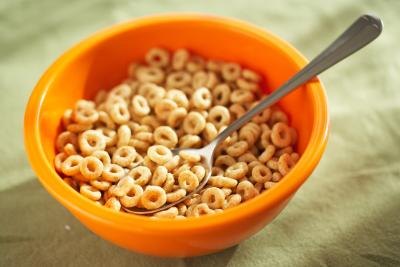
Safe soft foods in the grains group include cooked cereals such as oatmeal, grits, cream of wheat or easily softened cold cereals such as Rice Krispies and Corn Flakes. Also acceptable are soft breads and muffins, pancakes, french toast with the crusts cut off and pasta.

cereal
Eggs and Dairy
All eggs are acceptable except for raw and fried, with scrambled and soft-boiled considered the best. All dairy products, including chocolate milk, ice cream and yogurt, are included.

ice cream
    Fruits and Vegetables
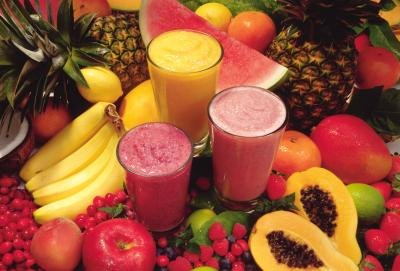
    Juices, both fruit and vegetable, are the best. Other fruits and vegetables that qualify as soft foods include those cooked and canned without seeds or skins. The only fresh vegetables allowed on a soft diet are avocados and tomatoes and potatoes without the skins. Acceptable fresh fruits include bananas, pureed berries put through a strainer to remove skins and seeds, and melon, if tolerated.

    fruit smoothie
    Soups, Sauces and Condiments
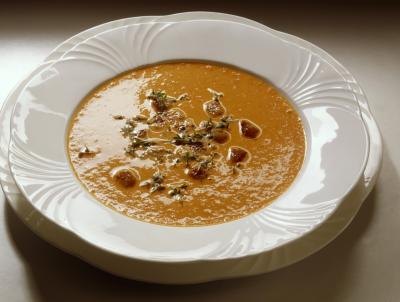
    Creamed soups are good soft diet foods, as is any other pureed or blended soup like chicken noodle. Broths are also well tolerated. For sauces, choose those that are pureed or well-blended. For spices and condiments, use salt, pepper, all finely chopped or ground leaf herbs and mild spices and ketchup. For sweeteners, use sugar, honey, jelly, smooth preserves, syrup and jellied cranberry sauce.

    tomato cream soup
    Meats and Entrees
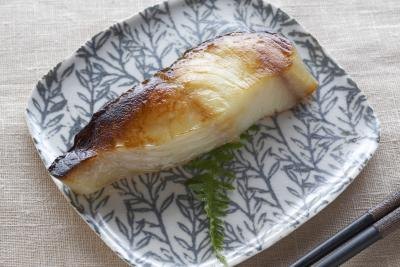
    Tender cooked meats like beef, veal, lamb or liver that are baked, broiled, creamed, roasted or stewed are fine, as is stewed pork. Chicken and turkey are allowed on a soft diet if they're not fried. Cooked, fresh or frozen fish without bones such as tuna, salmon or white fishes are included, as is canned tuna. Other good protein sources include tofu and well-cooked legumes with soft skins, such as baked beans or lentils.

    cooked fish
    cooked fish (MASH/Digital Vision/Getty Images)
    Desserts
    Desserts can include ice cream, ices, sherbet and sorbet; pudding or custard; soft candy without nuts, seeds or hard pieces or plain chocolate bars; and butter cookies.

    pudding

    A Sample Soft-Food Diet Daily Menu
    Breakfast: scrambled eggs with grated melted cheese, cantaloupe
    Lunch: tuna salad made with tuna, mayonnaise and some spices, applesauce
    Supper: poached salmon, mashed or baked skinless sweet potato
    Dessert: pudding with whipped cream